Night Flight from Tokyo

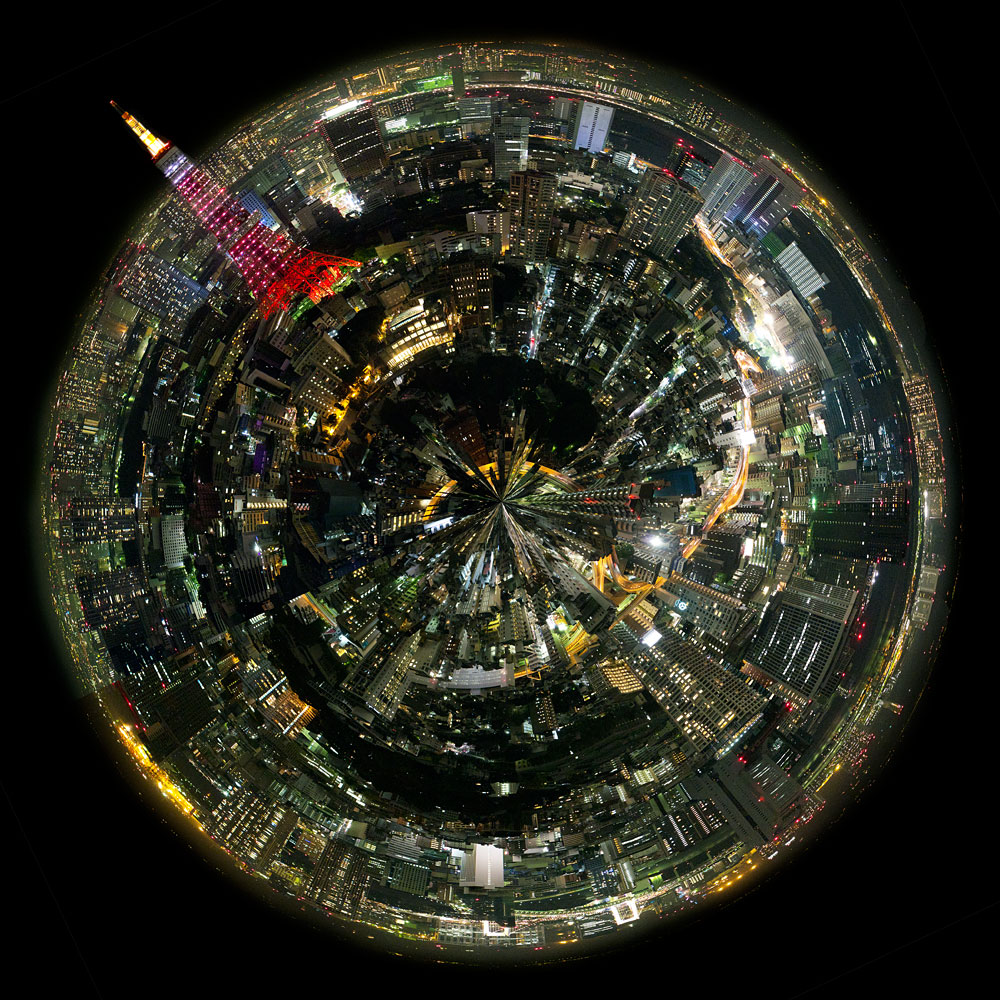
tokyo_night_flightNaomi and I have just returned from a wonderful trip to Tokyo. This is the first time for us to fly out of Haneda airport in Tokyo bay—we have always used Narita, which is far outside the city.

In most respects, Tokyo is probably as far as you can get from a natural landscape—a large part of the land in this image was “reclaimed” from the bay itself. The rivers that at one point meandered across the alluvial plane the city was built on are fixed in their path. The twenty-three wards of the metropolitan area have an average population density of 13,913 people per km². When combined with the neighboring prefectures of Chiba (foreground), Kanagawa (just in the top left corner), and Saitama, the conurbation totals thirty-three million people, about the same population as Canada, the second largest country by land area. Click on the image for a larger view.

Satori

Japan_binzaru_2Satori is the Japanese word for enlightenment, awakening. Zen Buddhist believe this does not happen gradually, but comes like a clap of thunder. D. T. Suzuki, the Japanese Buddhist scholar and philosopher, describes it as “seeing into your own nature,” “…to see our own ‘original face’ even before we were born, to hear the cry of the crow even before it was uttered, to be with God even before he commanded the light to be.”

The image is of Binzuru on the island of Miyajima in western Japan. I have written about the legend of this charming figure before. This type of scarf is popular with school girls and a kind offering this time of year. Click on the image for a larger view.

New Years Eve in Tokyo

japan_tokyo_new_yearsNew Years is a big deal in Japan. It is simply not a party during the evening of December 31st. It begins then, but will be celebrated for the next several weeks. January is a month of firsts—the first visit to a shrine or temple (hatsumode), the first drawing of water, the first calligraphy, the first day of business, and so on.

This is the main gate to Meiji Shrine, the largest shrine in Tokyo. In the first three days of 2010, 3.2 million people visited this shrine. When you think that most people leave a ¥100 coin (about a dollar) as an offering, New Years is an important time for these places. Click on the image for a larger view.

Pilgrim

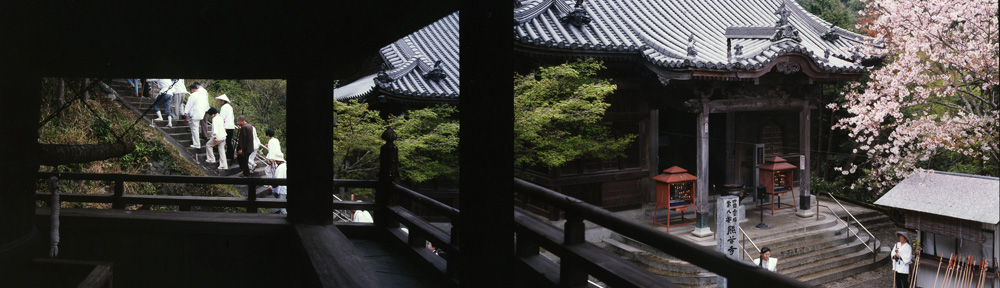
shikoku_pilgrim_modernPilgrims flock to the island of Shikoku in Japan. Through the centuries, the fundamental practice of these pilgrims has not changed: they walk, they pray. To complete the entire route, a little over 1,200km or 750 miles, takes most travelers about fifty days. Some have claimed do this in thirty—a formidable feat. The path is mostly on roads. It hugs the coast and crosses mountains.

One hundred years ago, the average pilgrim is said to have spent about one hundred days to complete the pilgrimage. Roads, general health, and modern gear are mostly responsible in changing that. I am grateful of not having to wear the traditional straw sandals and cotton robes, which must have made this journey even harder. shikoku_pilgrims_1914This pair of pilgrims from the early 20th century are described as monks, but wrongly cited as carrying statues of the Buddha—the image on their backs is of Kobo Daishi. The photograph is from the book By Nippon’s Lotus Ponds; Pen Pictures of Real Japan by Matthias Klein and published in 1914. Click on the images for a larger view.

Shugyo Daishi and the Pilgrim

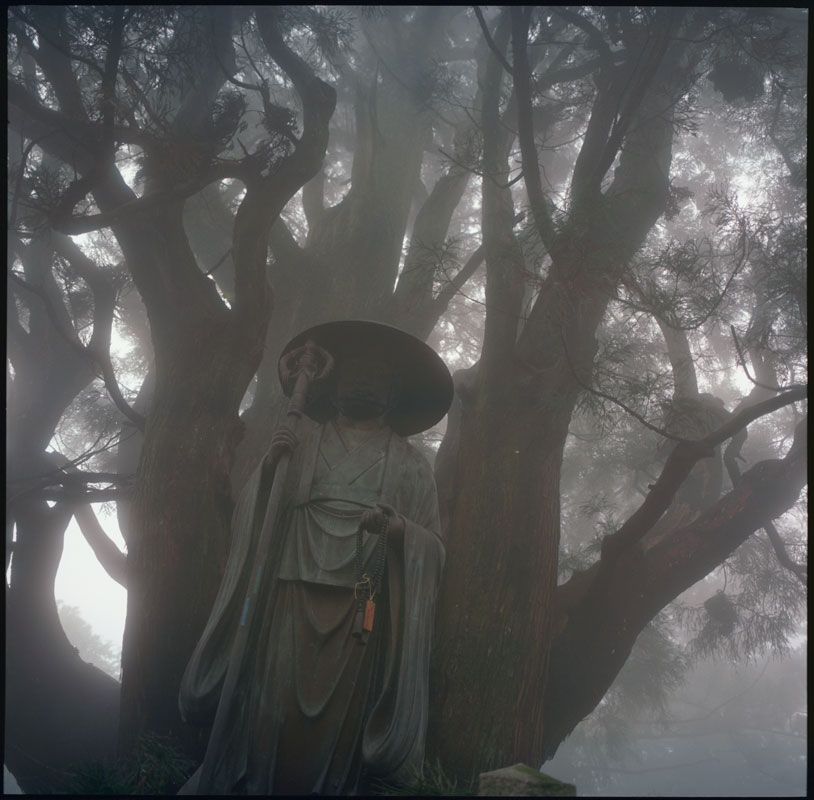
shikoku_chodoanThe trail between temples 11 and 12 was enveloped in fog the day we travelled it. The mountain path followed a forested ridge. Then, strangely, the dirt trail ended in a flight of stone steps. As we climbed, a figure materialized from the trees.

We had reached Jyouren hermitage, a bangai, an unnumbered temple, one of over a hundred such places on the 88 Sacred Places of Shikoku Pilgrimage. The statue is of Shugyo Daishi. This is not the image of Kobo Daishi, the saint pilgrims follow and the one that attained enlightenment, but the man that was seeking that enlightenment.

The tree behind the statue was said to have been planted by Kobo Daishi when, in a dream, he had a vision of the Buddha Dainishi-nyorai. Click on the image for a larger view.
On the Streets of Tokyo—Ameyoko

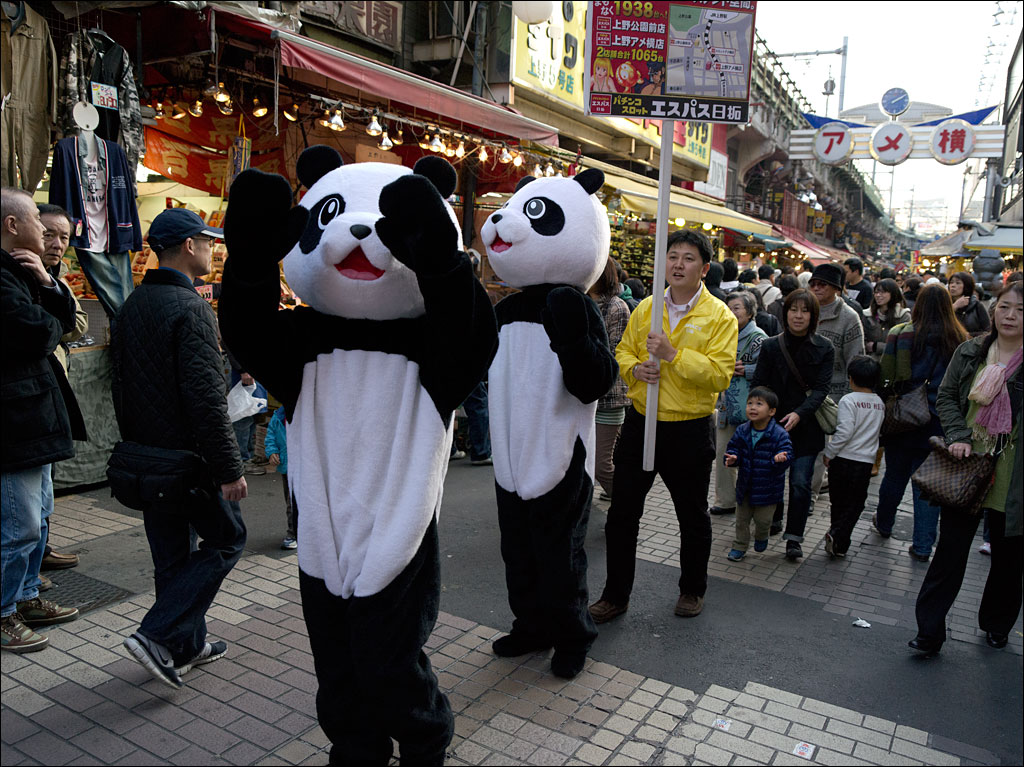
tokyo_ameyokoAmeyoko is an energetic market town. Vendors have built a warren of shops and stalls under the elevated railway cutting through the city. Unfortunately, this magical part of Tokyo is under threat of development.

The pandas you see are part of an advertising campaign. You might be forgiven to think they are promoting a new toy store or the nearby Ueno zoo, especially with the excited young boy following them. What they are announcing is a pachinko parlor. Pachinko is a type of vertical pinball machine used in gambling. Click on the image for a larger view.