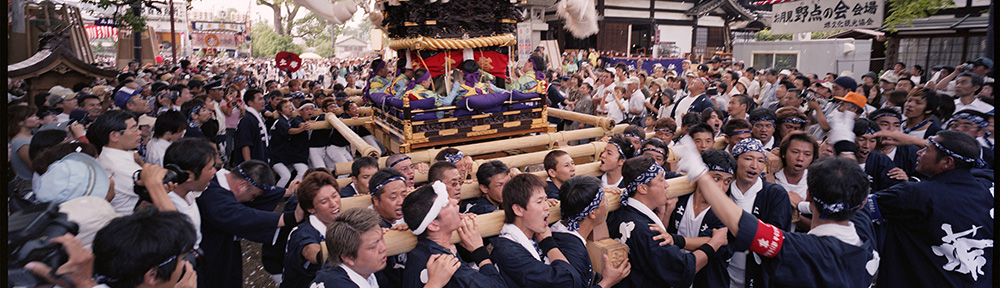
 An outtake from our book Earth, Water, Fire, Wind, Emptiness: Tokyo Landscape. Click on the image for a larger view.
Tag Archives: Tokyo Landscapes
Tsukido Hachiman—Tokyo Landscape
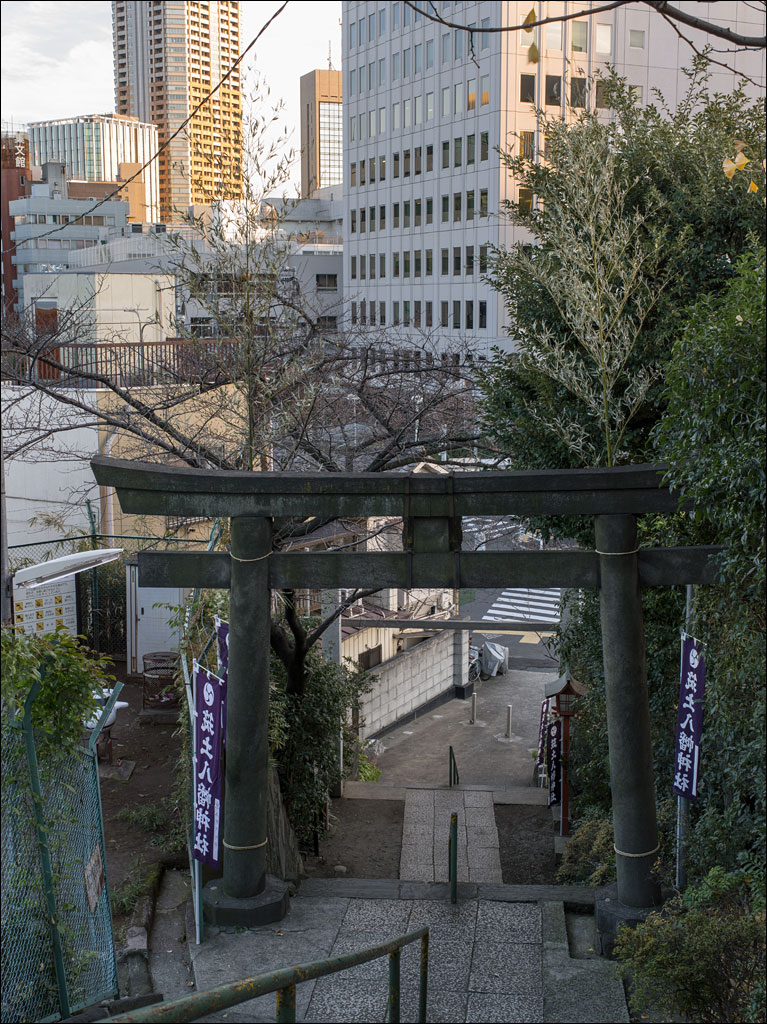 It is no secret that Tokyo is a sea of buildings. Its reputation of using every inch of space is hard to imagine until you have been there. What is less known is the topography of hills and valleys throughout the city.
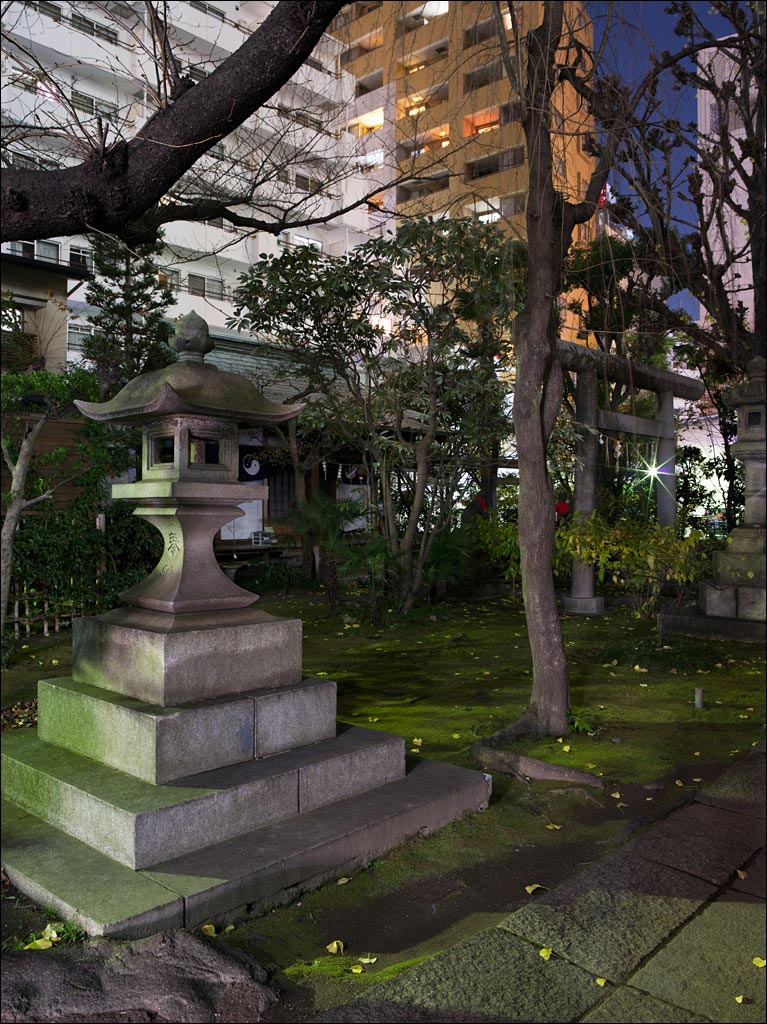
On the top of a hill in Shinjuku ward is Tsukido Hachiman Shrine. In its day, the shrine would have been a prominent site overlooking Edo. Today, it is hidden beneath layers of buildings. However, in spring, the cherry trees lining the approach make it hard to miss.
The stone gate, or Torii, dates from 1726 and is all that remains of the original shrine that was lost in the fire bombing of Tokyo during World War II. The bamboo trees attached to the front of the gate are in preparation for the new year celebration. The small area to the left of the gate is a children’s playground. Click on the image for a larger view.
This image is an outtake from Earth, Water, Fire, Wind, Emptiness: Tokyo Landscape. It is one of the over 4,000 images that did not make it into our book.
Takadanobaba—Tokyo Landscape
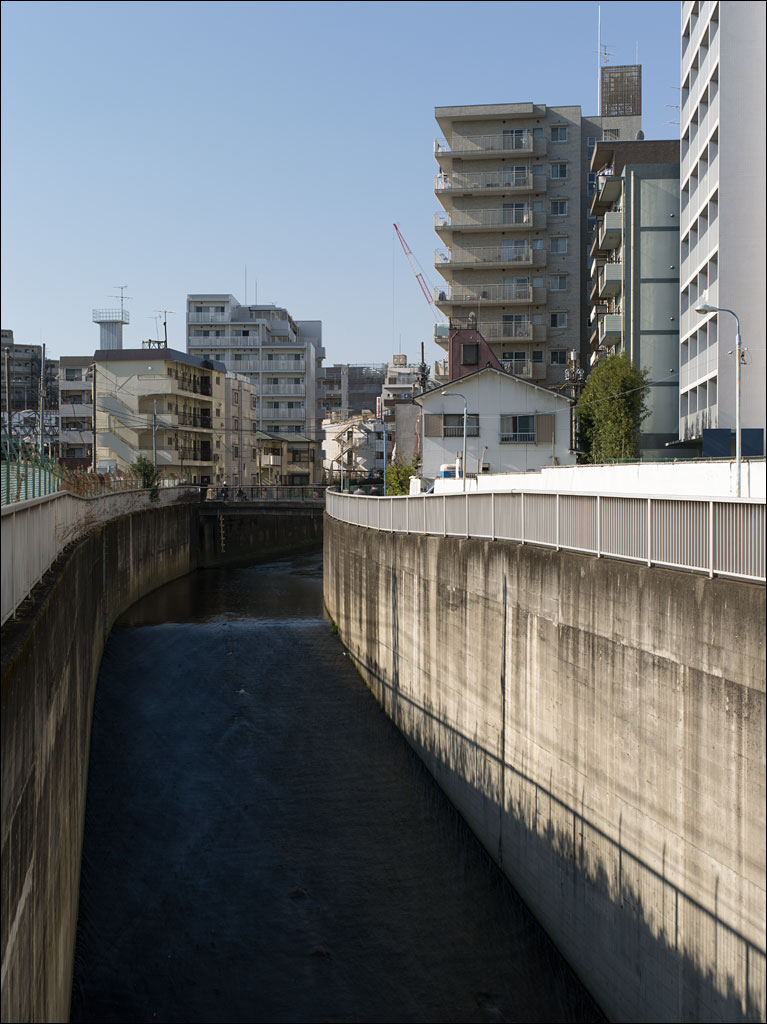 Takadanobaba is a town between Ikebukuro and Shinjuku. It is fairly much residential with a few universities and colleges in and around the area. This particular place is where the Zenpukuji river flows into a subterranean channel—it later resurfaces when it joins the Kanda river.
This image is one of the many outtakes of the Earth, Water, Fire, Wind, Emptiness project. Less than 2% of the images I took in Tokyo appear in the book.
Earth, Water, Fire, Wind, Emptiness in Stock
 Our books have arrived. To find out more about Earth, Water, Fire, Wind, Emptiness: Tokyo Landscape, visit our book page. You can purchase a copy at our new online store.
We plan to release a hard cover edition soon. Click on the image for a larger view.
Coming soon: Earth, Water, Fire, Wind, Emptiness
 We are happy to announce that our forthcoming publication Earth, Water, Fire, Wind, Emptiness: Tokyo Landscape will be going on sale on June 28th. You can find out more about this book here. Click on the image to view the front and back cover.
Defining Landmarks
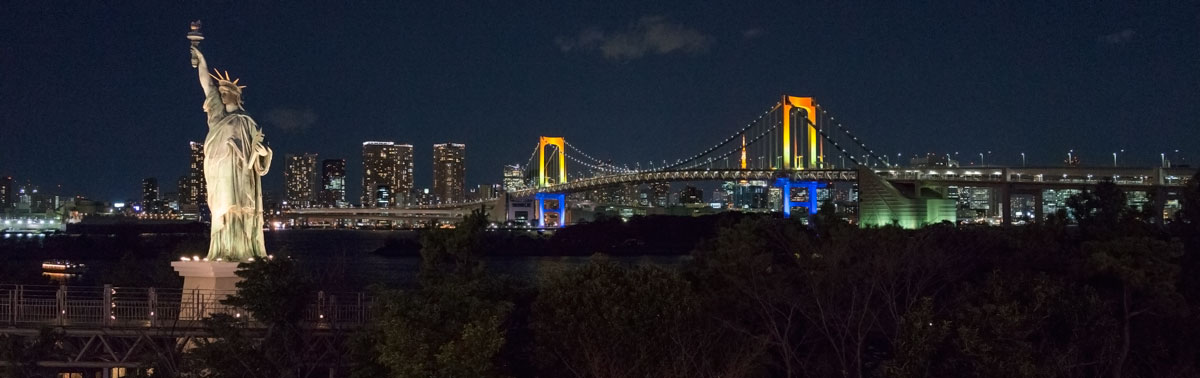 Every city has a landmark that defines it. Imagine looking over a bay and seeing lady liberty holding her torch to the sky—a colossus proclaiming to take the world’s tired and downtrodden. Behind her lies a gleaming metropolis where people come to build their dreams. The place is instantly recognizable—Tokyo. Click on the image for a larger view.
Earth, Water, Fire, Wind, Emptiness
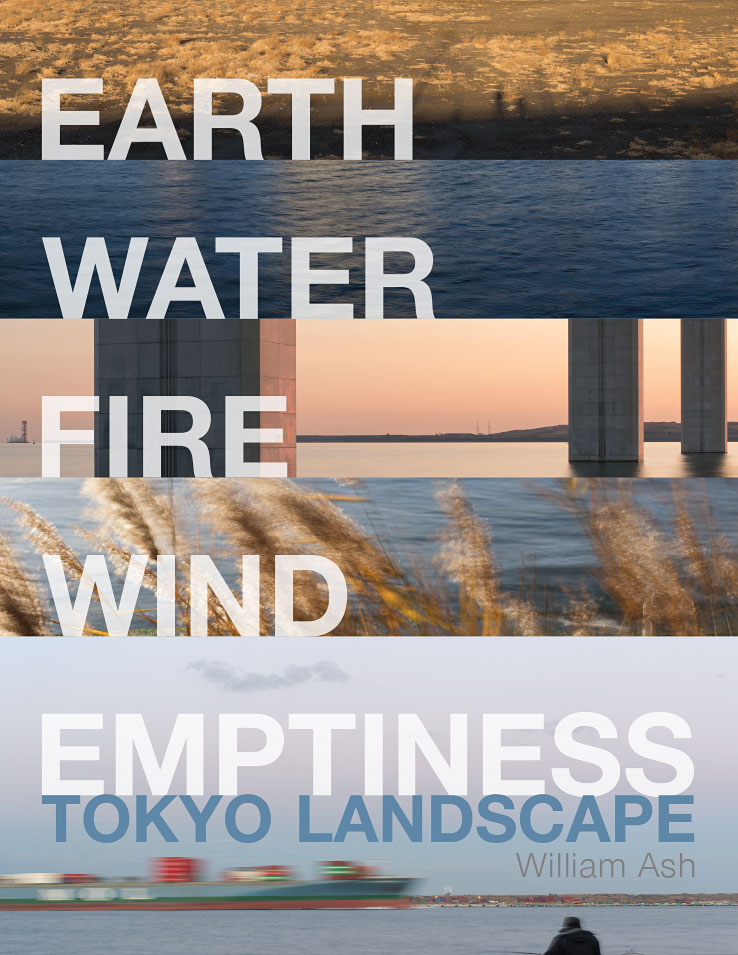 Naomi and I are excited to announce our upcoming book Earth, Water, Fire, Wind, Emptiness: Tokyo Landscape. Taking inspiration from the five elements in Japanese Buddhism, Earth, Water, Fire, Wind, Emptiness is a homage to a city we called home for ten years. Starting from the simple question of what is the natural landscape of Tokyo, the book weaves a quiet narrative of this city through space and time.
80 photographs, 1 illustration, text in English and Japanese, 96 pages, 8.5”x11”.
Available spring, 2015. Click on the image for a larger view.
Where Gods Dwell
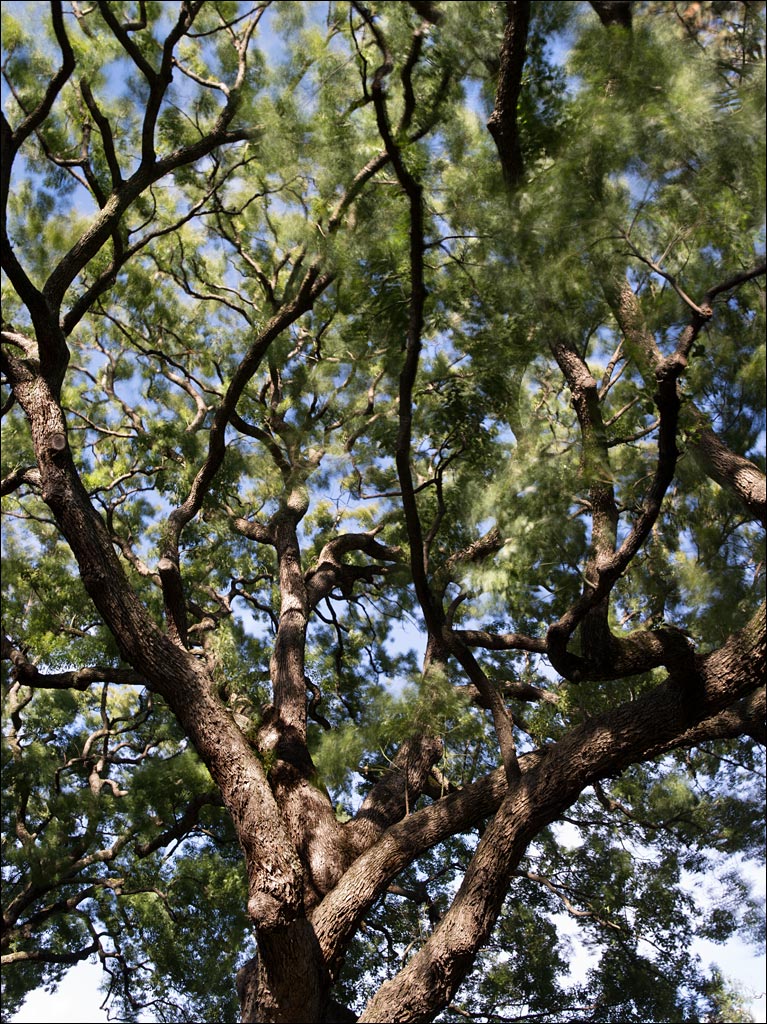 If anyone has seen the work of the director Hayeo Miyazaki, a common motif may strike you: trees. In the movies Castle in the Sky, My Neighbor Totoro, and Princes Mononoke, powerful, towering arboreal characters appear. The early Japanese believed trees, particularly evergreen trees, were dwellings for deities from heaven. With roots firmly in the earth and branches reaching into the sky, living off the wind and sun, and lifespans greater than any human, how could these beings be anything but divine. The Indian poet Rabindranath Tagore said, “trees are the Earth’s endless effort to speak to the listening heaven.” Click on the image for a larger view.
A Tokyo Landscape
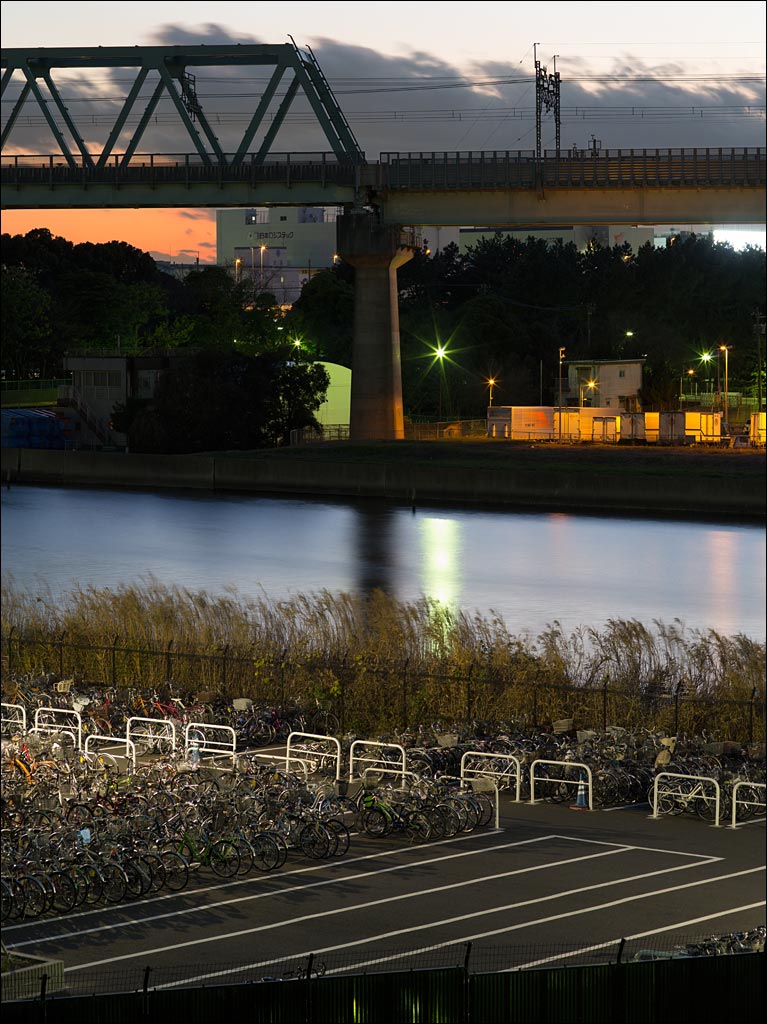 Tokyo, like many cities, is built up of layers upon layers. Time shift those layers, removing old ones and adding new. But somehow, when you stand in front of a landscape, you feel its solidity—a sort of eternal presence. If I had taken this picture one hundred years ago, all I would see would be the water of Tokyo bay (not this canal), the horizon, and sky. Nothing you actually see in this photograph would be there. Click on the image for a larger view.
Tokyo Ghost Story
 Oiwa Inari Tamia Shrine is located between Tokyo station and the Sumida river. This small shrine is connected to one of the most popular ghost stories in Japan, Yotsuya Kaidan, a 19th century Kabuki play. The story’s main character is a woman named Oiwa. Actors visit this shrine to pay respect to her spirit before performing her role.
Oiwa is betrayed by a husband that murdered her father. She is horribly disfigured by a poisoned face cream given to her by Oume, a rival for her husband Iemon. Iemon, repulsed by Oiwa’s appearance, sends an accomplice to assault her to give him grounds for divorce. His partner cannot go through with the deed and reveals the plan to Oiwa. Showing Oiwa her disfigured image in a mirror, she is incensed. In her rage, she fatally injures herself with a sword. She dies cursing her husband, becoming an onryô, a vengeful spirit. By the end of the story, her spirit is revenged. A bloody tale, but a popular one.
Click on the image for a larger view.
