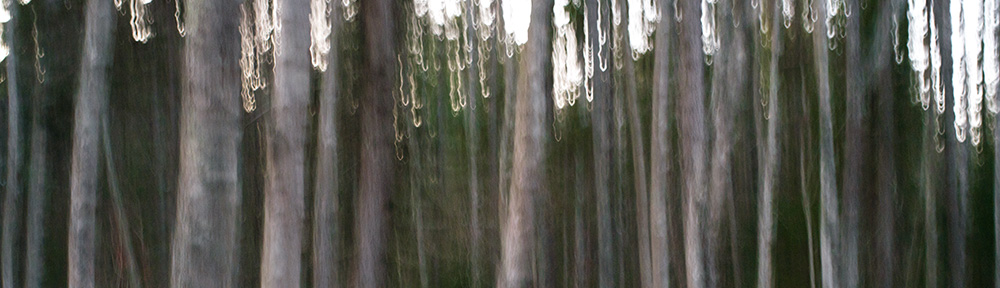
 The Common Ground Country Fair is one of the great events in Maine. Right now, we have two feet of snow covering our garden—it is hard to believe that Maine can be green and warm. But summer does come and it is rounded out with this wonderful gathering. We particularly like to see the variety of produce from around Maine. If you are in Maine at the end of September, this is something you should not miss.
Tag Archives: Pentax 645D
Daylight Savings
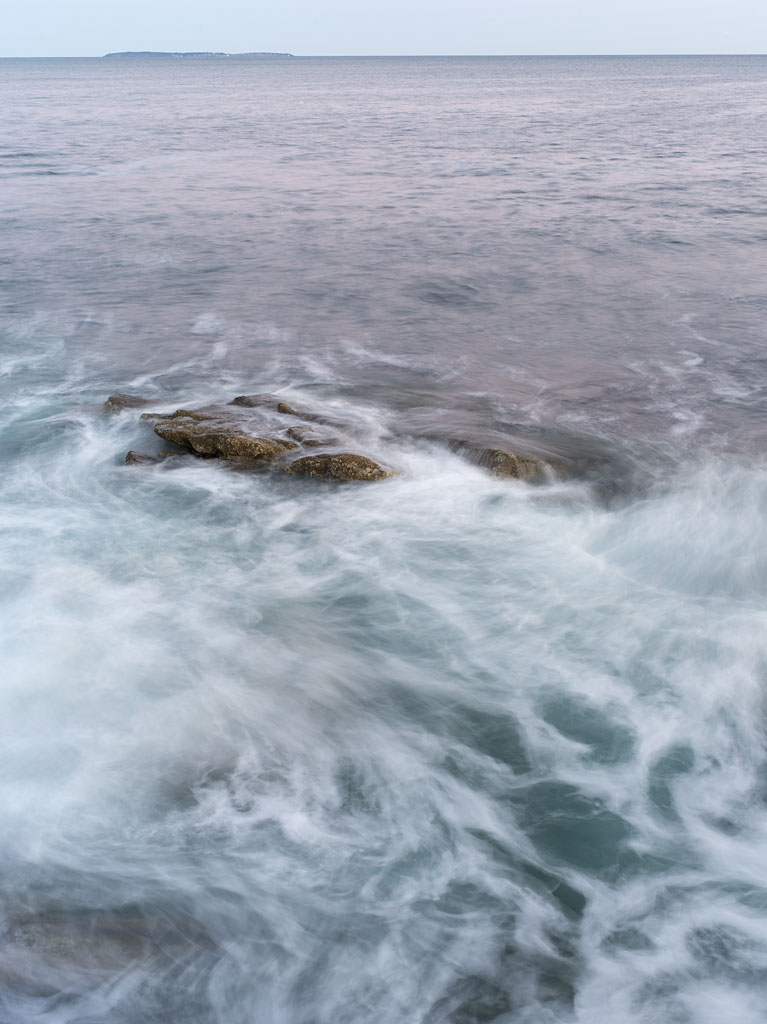 On Sunday, we went through the annual ritual of turning the clocks forward one hour for daylight savings time. The sun now sets at 6:40 in the evening. Naomi and I went out to Pemaquid Point to enjoy this extra hour.
With the sun above the horizon, the sky was a brilliant blue and the ocean a deeper shade of the same color. As the sun reached the horizon, the familiar fiery red scorched the edge of the sky. But there is a magical time for color when the sun moves behind the horizon and vivid hues turn to delicate pastels. Click on the image for a larger view.
Cloudscape
 Click on image for a larger view.
Dreams of Summer
 The winter has been long this year. The memories and promises of summer seem far away. The Gulf of Maine from Schoodic Point in Acadia National Park. Click on the image so summer can arrive earlier—and to make the image larger.
Maine Winter Forest
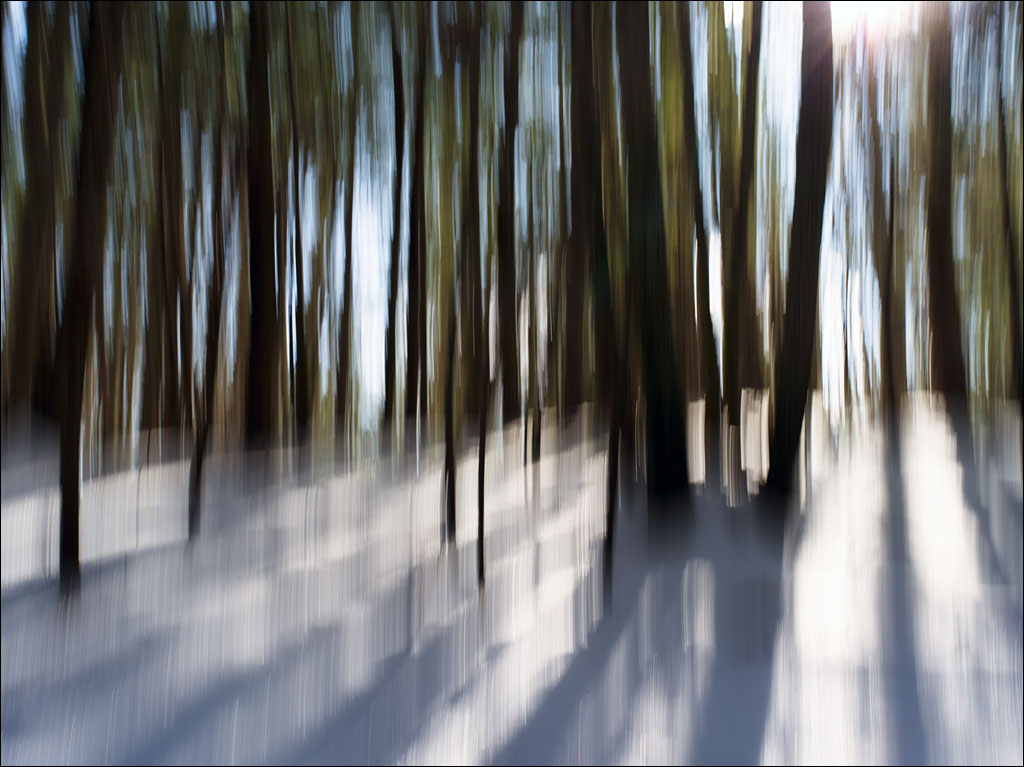 The sun penetrating the forest in the Small-Burnham Conservation Area in Litchfield, Maine. Click on the image for a larger view.
St. John’s Wort—Edible Weeds
 St. John’s Wort, Hypericum perforatum, is native to Europe, but is found in abundance in the US. In some places, it is considered a pernicious weed. If you introduce this plant to your garden, it can be hard to control.
We use the leaves and flowers: fresh for salads and dried for tea. St. John’s Wort is said to help mild depression. We find the tea very relaxing.
Some people can have a reaction to St. Johns Wort—nausea, diarrhea, headaches, photodermatitis—and it can interfere with some medications; please consult your doctor. Always research plants you intend to consume. You should consider our posts a starting point, not a definitive source of information.
Heaven and Earth
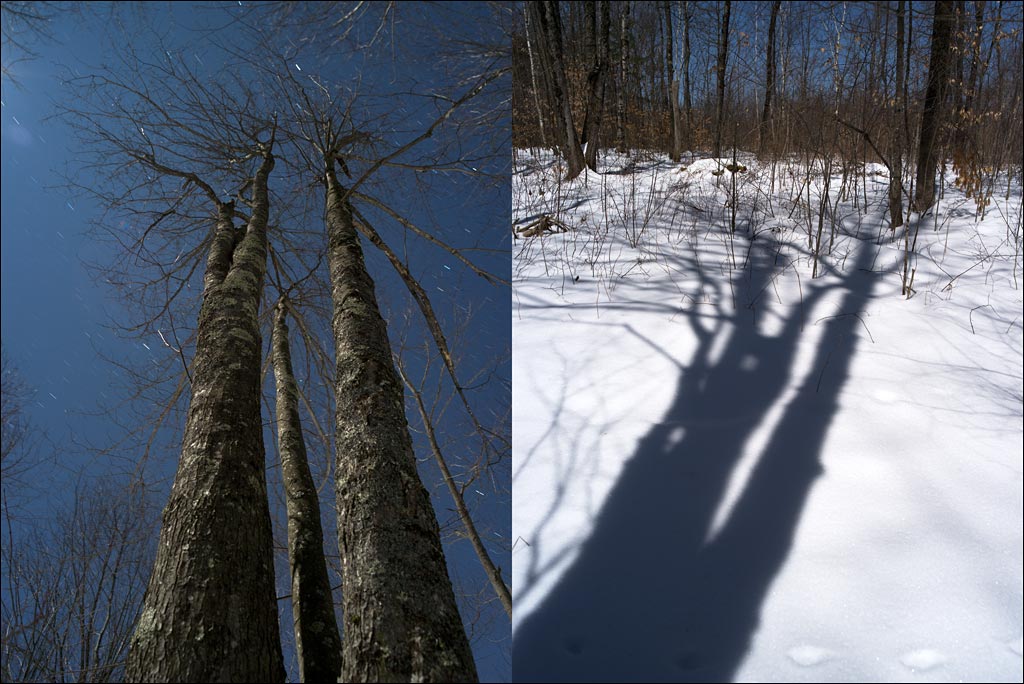 Our forest in moonlight. Click on the image for a larger view.
Winter Marsh
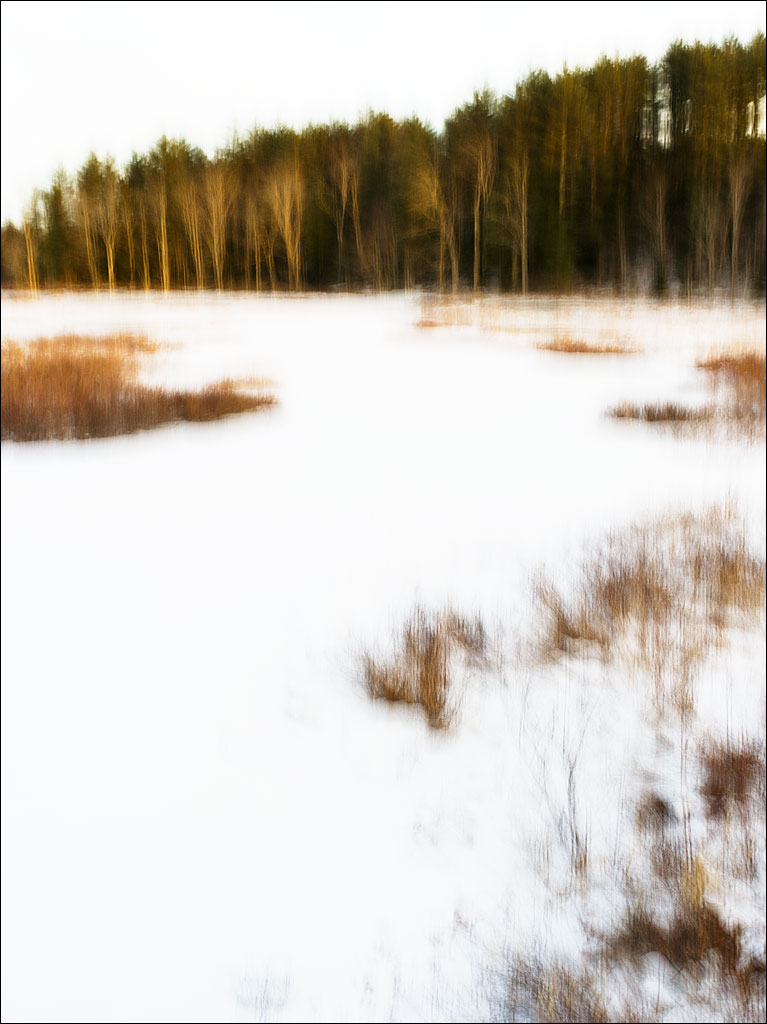 The meandering stream bed that feeds Dyer Long Pond in Jefferson, Maine is hidden beneath the snow pack. This is very different in summer. Click on image for a larger view.
Winter Ocean at Pemaquid Point
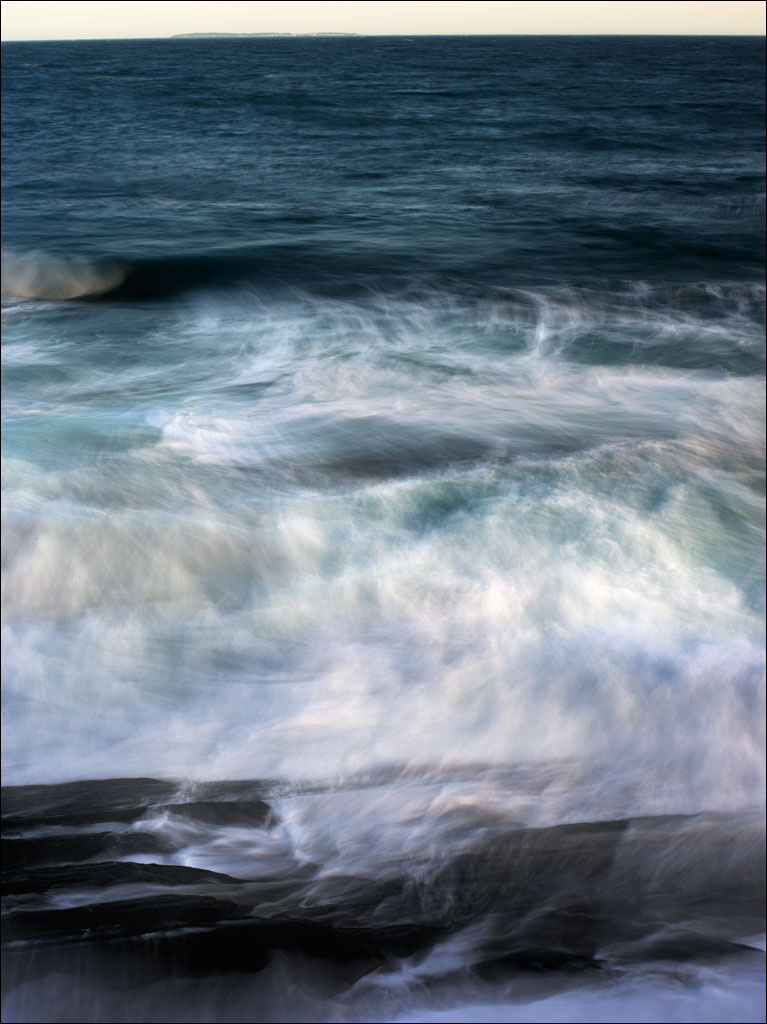 With temperatures climbing above freezing and a rare sunny day, Naomi and I went to Pemaquid Point this weekend. While the weather was mild, the ocean swells were dynamic. Monhegan Island can be seen on the horizon. Click on the image for a larger view.
Purslane—Edible Weeds
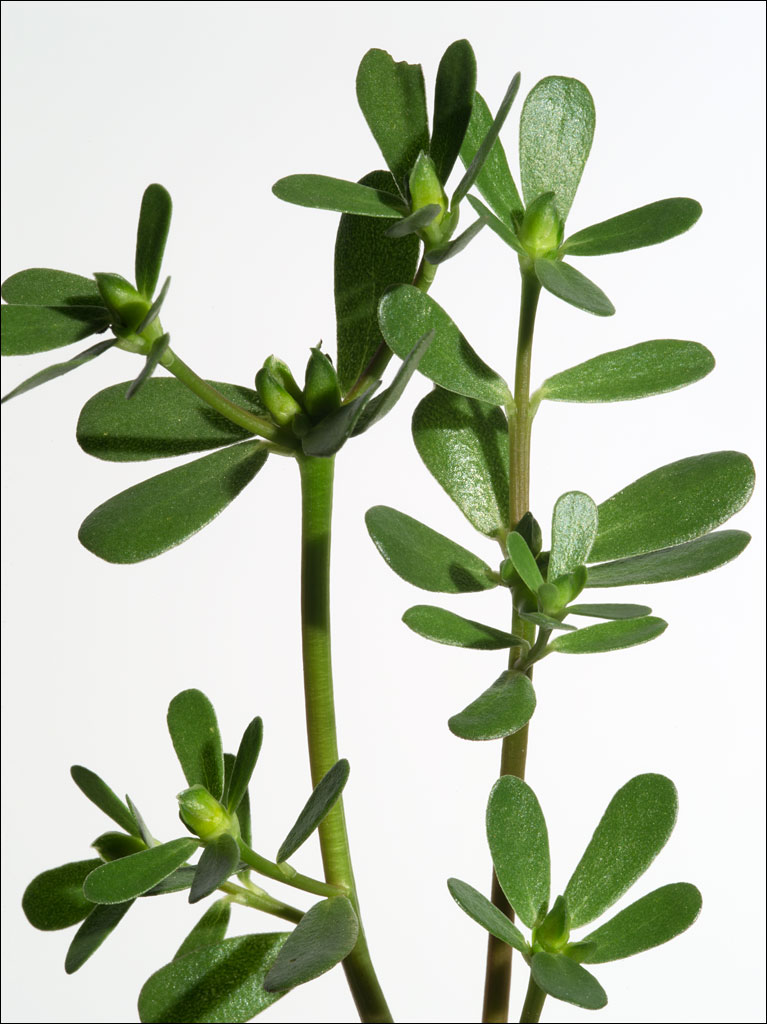 Purslane, Portulaca oleracea, is known as pursley in Maine. The stems and leaves are edible. The seeds can also be used for flour. Purslane can be cooked like spinach. Like spinach, it is rich in iron. We like to use it fresh in salads and smoothies. Unlike many wild plants, Purslane is not bitter and the leaves have a wonderful texture.
WARNING: Purslane can be confused with the poisonous hairy-stemmed spurge. As the name suggests, this plant has a hairy stem. A milky saps is discharged when a stem cutting is squeezed. It is important to refer to guidebooks or local foraging experts to identify plants. Please look at our posts as starting points, not as definitive references on plants.

