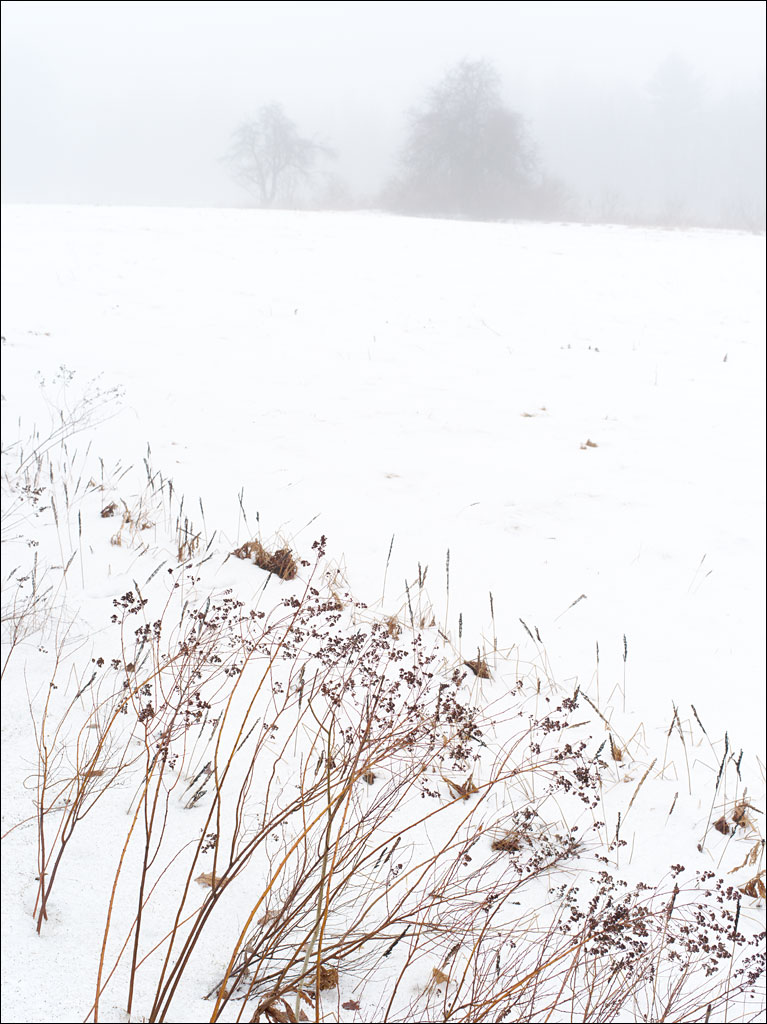
 Winter is such a variable season in Maine. With competing air masses from the arctic and the Gulf of Mexico, the shifts in weather can be striking. Click on the image for a larger view.
Tag Archives: Nature
Winter Forage
 The search for food is a concern for animals throughout the winter. Many animals tunnel under the snow pack and so you rarely see signs of their activity. Someone found the dried remains of one of our Black-Eyed Susans. Click on the image for a larger view.
A Year in Color, 2014
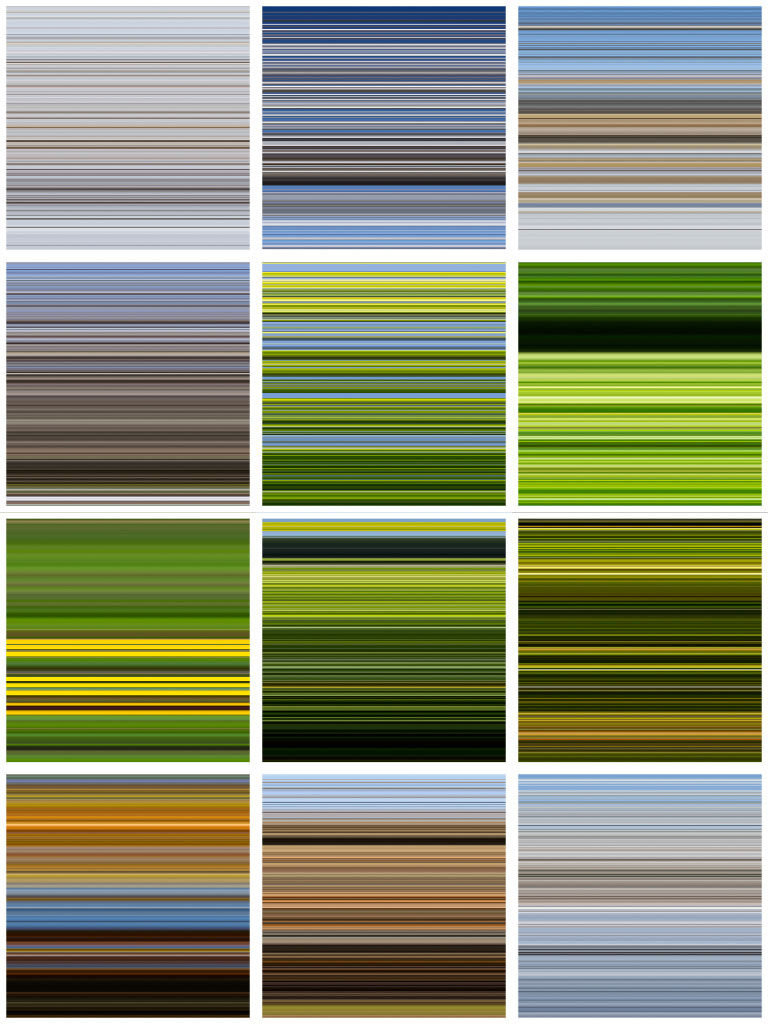 This is the change in color of our forest in 2014 for each month of the year from left to right and top to bottom. For another year go here. Click on the image for a larger view.
Illusions
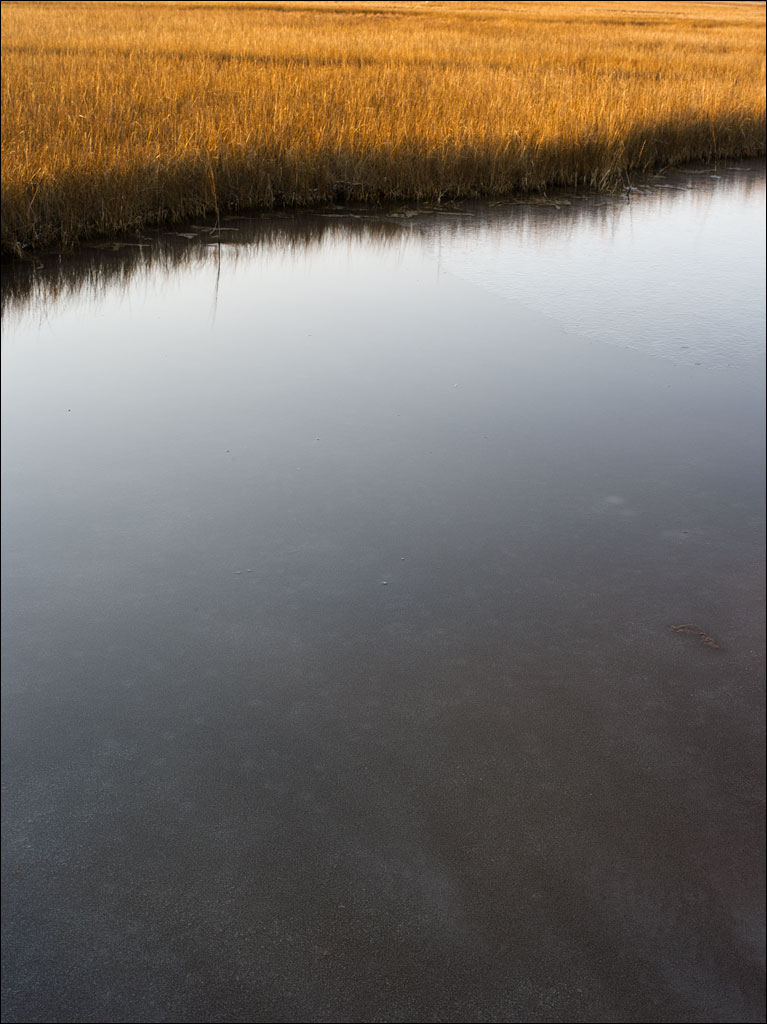 How do we see the natural world? How do we read the landscape? Every season has its illusions. The low sun of winter gives the land a warm, inviting character—known as the golden hour. This pond on a salt marsh in Bates-Morse Mountain Conservation Area is not liquid, but frozen over with a thick layer of ice. Click on the image for a larger view.
Signs of Life
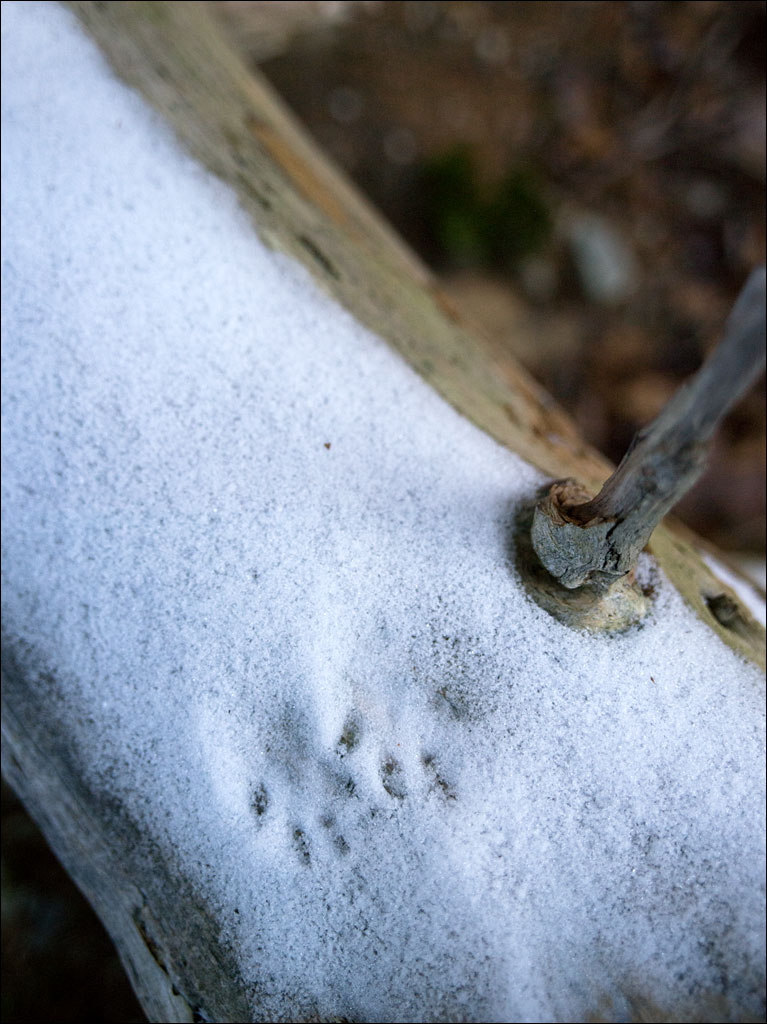 While December in Maine is stark, it is not lifeless. Click on the image for a larger view.
Suspension
 With the foliage off the trees, water pools on our forest floor and freezes with the falling temperatures. Ice will embrace its bounty until spring frees the land from winter. Click on the image for a larger view.
Fallen Ice
 Click on the image for a larger view.
Decrescendo
 The vibrant landscape that burst forth in spring is mute in December. Click on the image for a larger view.
Mt. Monadnock
 Mt. Monadnock, located in southern New Hampshire, is known as the most climbed mountain in America. At 3,165 ft or 965m, it is not the highest mountain in New England, but, having no other mountain of similar elevation near it, it is the most prominent feature in the area. The name is believe to be derived from the Abenaki and is thought to mean “mountain standing alone.” Mt. Monadnock gives its name to the surrounding region. Click on the image for a larger view.
Winter Tide
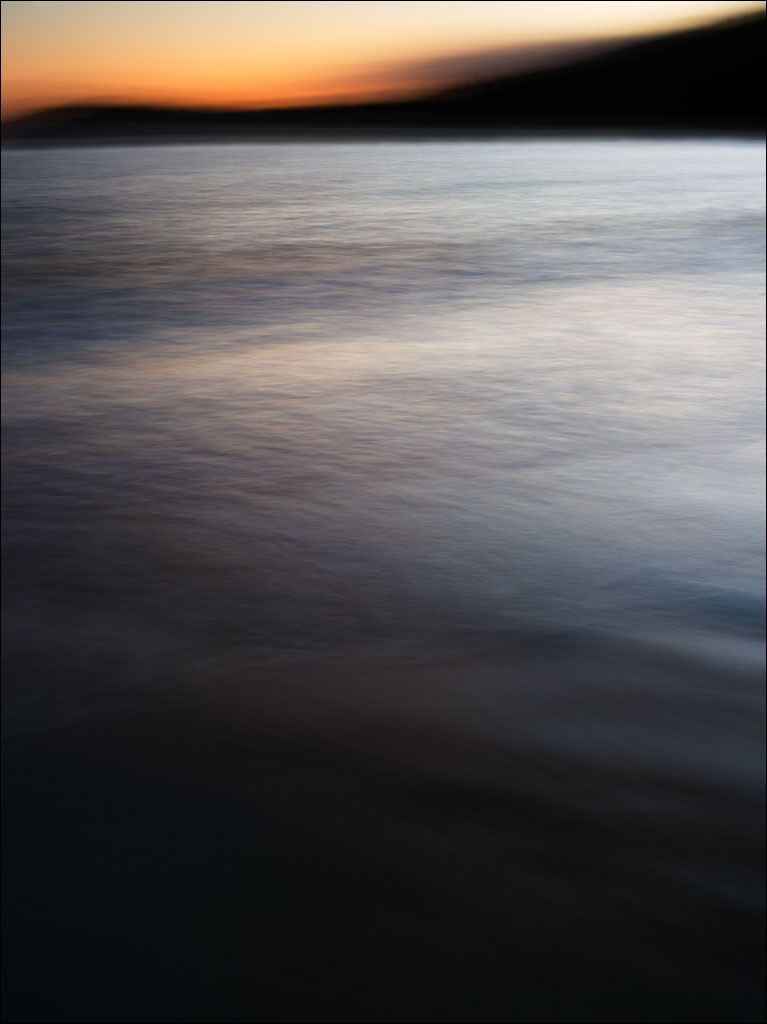 From Sand Beach, Acadia National Park. Click on the image for a larger view.

