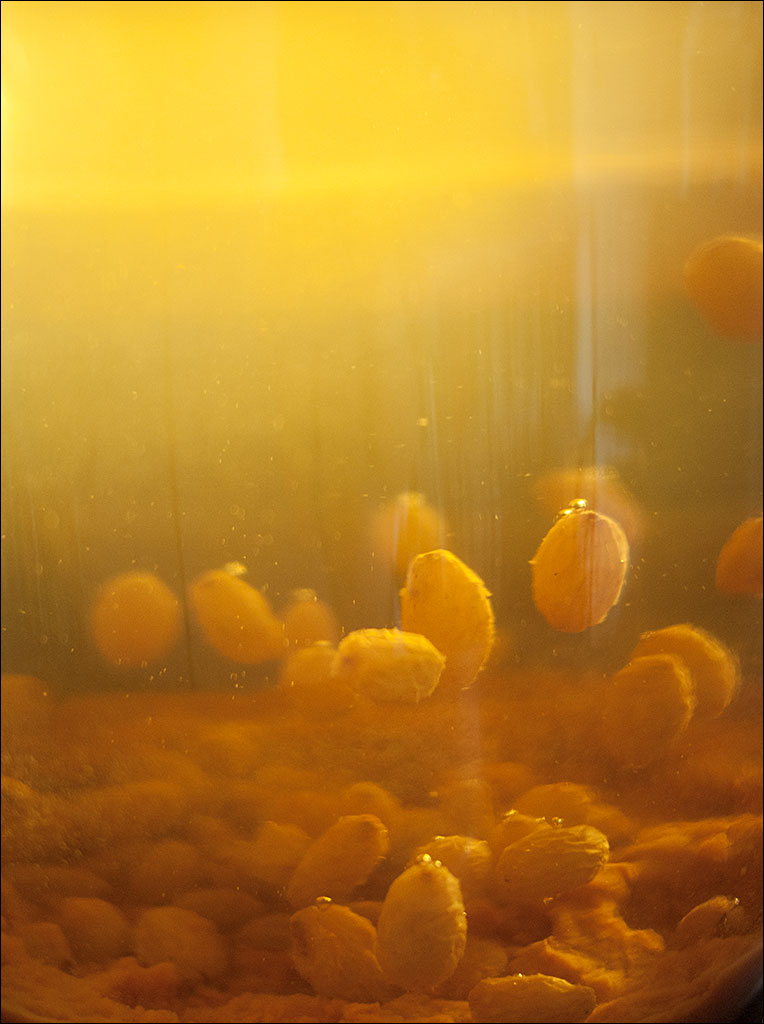
 We have been asked for a little bit more information about how we make our hard cider. We follow the recipe for New England Barrel Cider, which we found in the wonderful book Cider: Making, Using & Enjoying Sweet and Hard Cider by Anne Proulx and Lew Nichols, an excellent reference for any cidermaker.
Category Archives: Life at Home
Blackberry Pie
 Naomi made blackberry pie this week. The blackberries were gathered on our land at the end of last summer. We have been using this fruit in our vegetable smoothies and, naturally, pies. Click on the image for a larger and more mouthwatering view or continue reading for the recipe. Continue reading
Passing Spring Storm
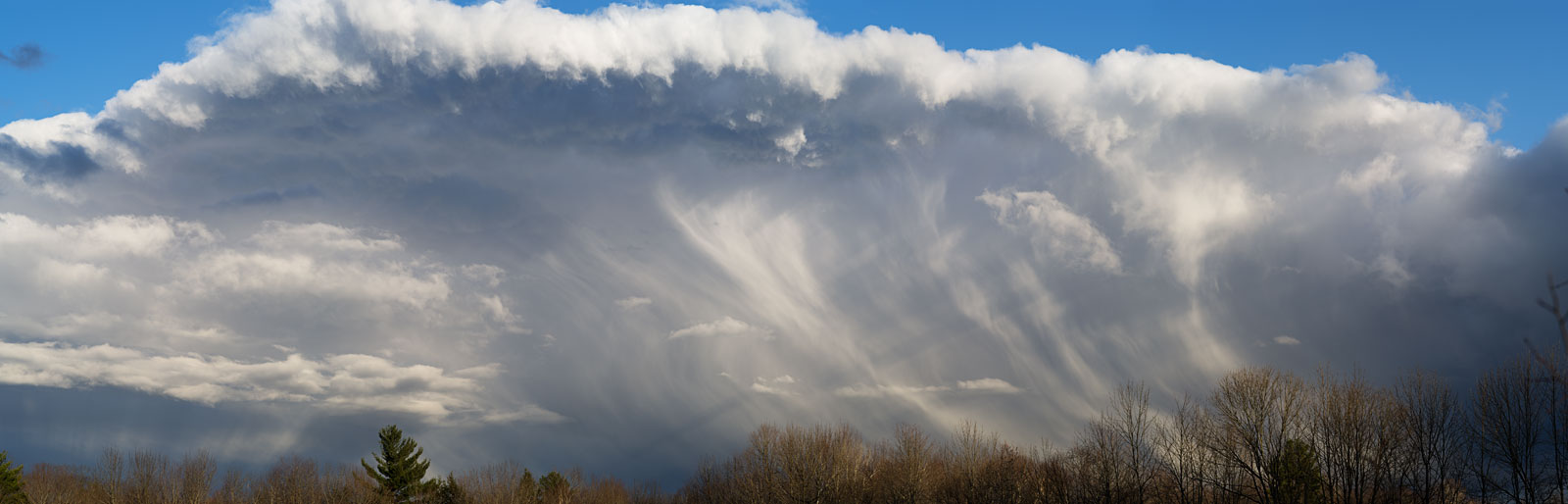 The changing seasons bring unsettled weather. Storms can be violent, but they are also beautiful. Click on the image for a larger view.
Spring Arrives to the Forest
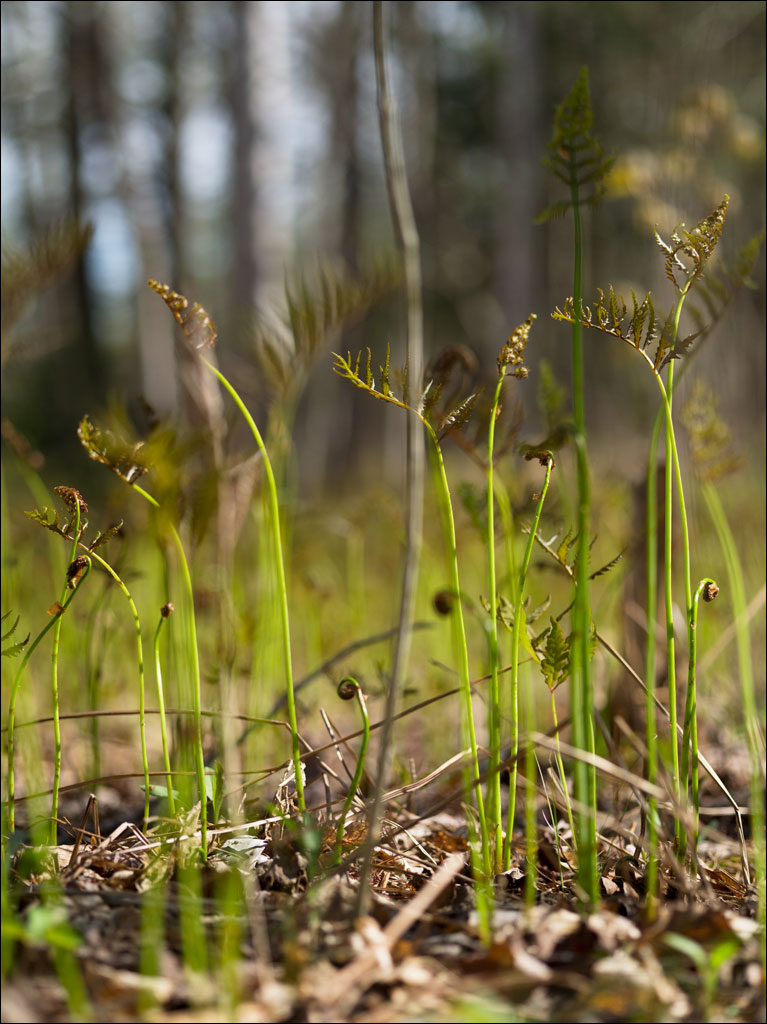 Spring is starting to make its mark. The long winter this year has delayed this season. Our trees are starting to show their foliage and fern is rising from the forest floor. Click on the image for a larger view.
A May Day Greeting
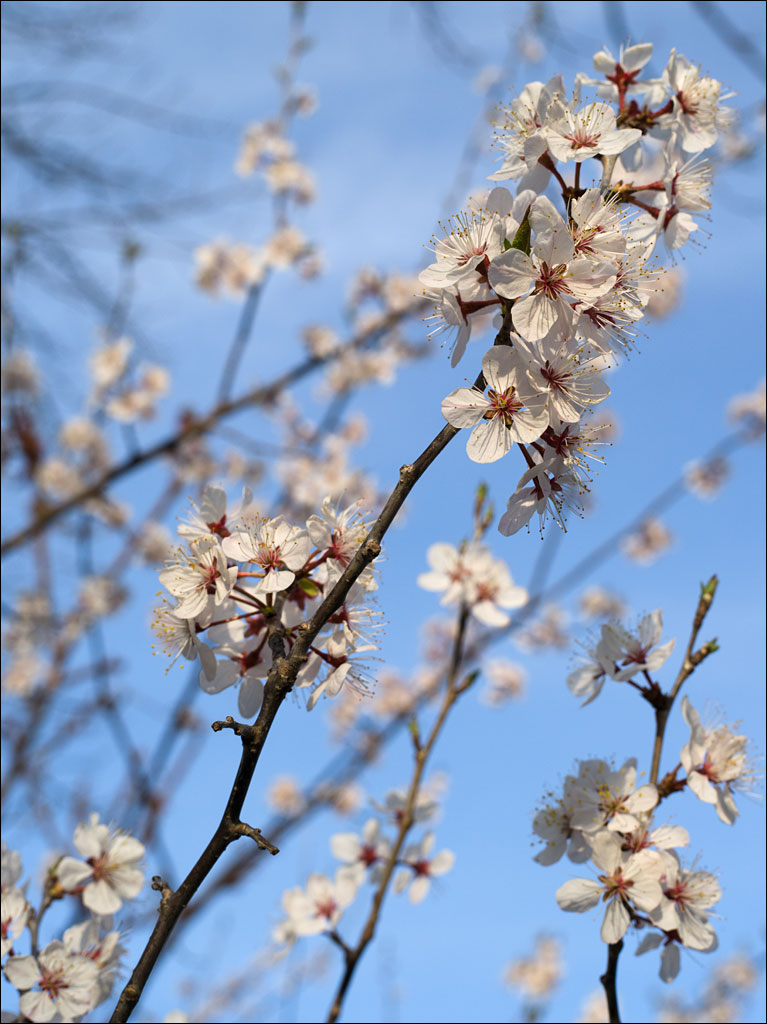 We wish you a wonderful May Day. We are usually greeted by our wild plum blossoms at the beginning of May, but apparently we will have to wait a little longer this year. We hope your day is bright, warm, and full of flowers. Click on the image for a larger view.
Awaiting Spring
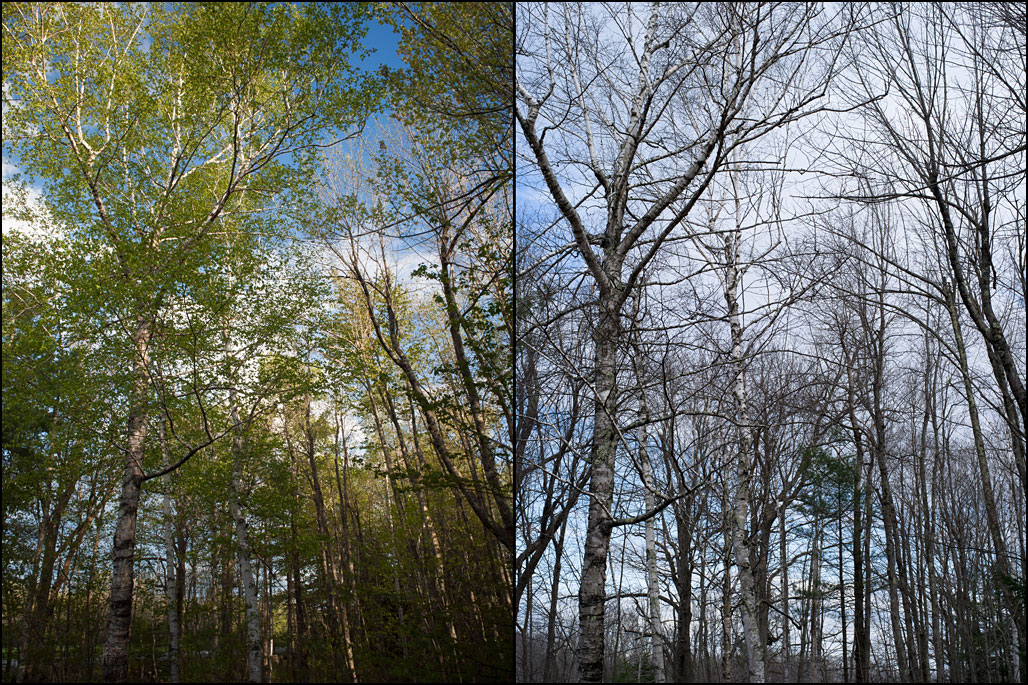 This has been a long, hard winter (globally, this March was the fourth hottest on record, while the eastern US sat in unusual cold). The image on the left was taken in our woods on May 3rd, 2010. The picture on the right was taken in the same place last Sunday, April 27th. May 3rd is this Saturday. While I would not be disappointed in a miracle that could transform our woodland into something that looks like the first image, I am also not very hopeful. I am more inclined to think it will snow. Click on the image for a larger view.
This Year’s Tomatoes
 We are going through the annual ritual of starting the garden. With the short Maine summer and unpredictable spring, many plants need a little help. With about one hundred tomato plants, it gets crowded in the house as they grow and need replanting. However, it is well worth the effort as they give us a year’s supply of their wonderful fruit. Click on the image for a larger view.
Hard Cider
 This weekend we bottled our hard cider. We made seven and a half gallons or twenty-eight liters, which we store in half-gallon jugs. That should last the year.
We start in the fall with sweet cider pressed at the hight of apple season. We are able to get the juice without any preservatives. We simply add sugar or honey for primary fermentation and then use uncoated raisins for the secondary fermentation. Depending on the flowers the bees feed from, the honey can impart a subtle fragrant flavor. Most raisins are coated with oil to prevent them from sticking together, but the oil will contaminate the cider—uncoated raisins are tricky to find. We make a single batch in a nine-gallon container, but we have also used one-gallon glass jugs.
A Year in Color, a Year of Color
 This is a year in color, starting with January on the left to December on the right. The color from twelve photographs from each month of the year where blended to illustrate the changing seasons in Maine. Click on the image for a larger view.
Early Spring, Part 2
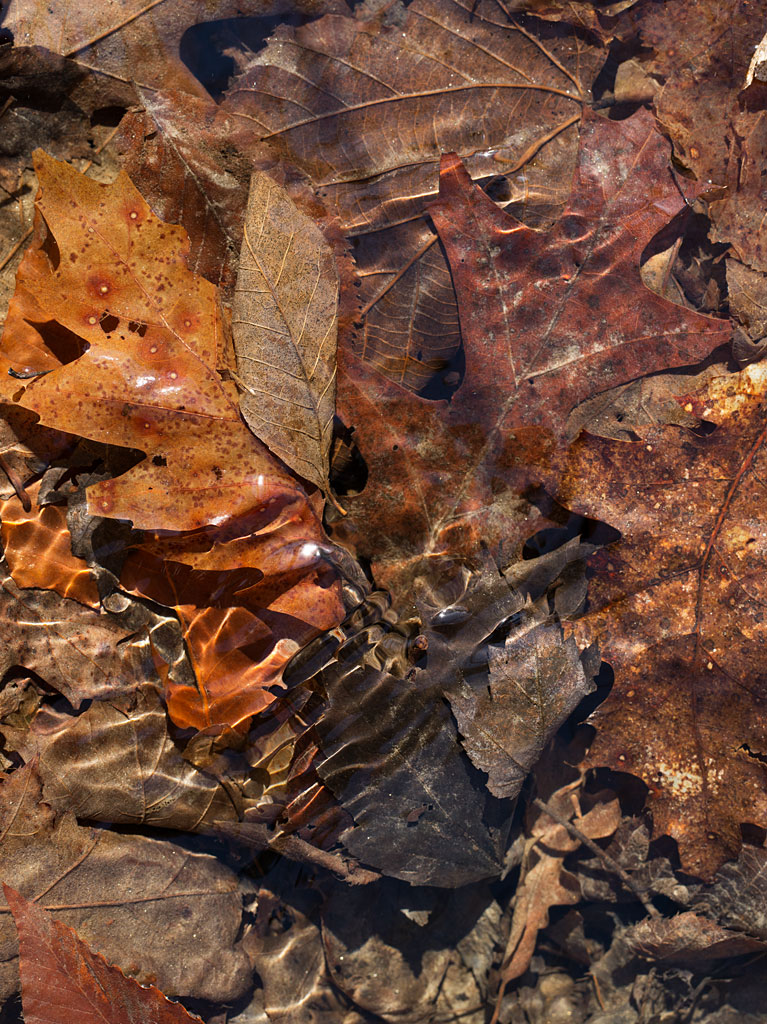 The forest floor is a layer of flat, matted leaves; it has none of the thick, plush quality of the fall. With the melting snow and spring rains, vernal pools and streams cover a large area of our understory. The water is clear as glass. Once the foliage returns, the pools and streams are soaked up by the trees. Click on the image for a larger view.
