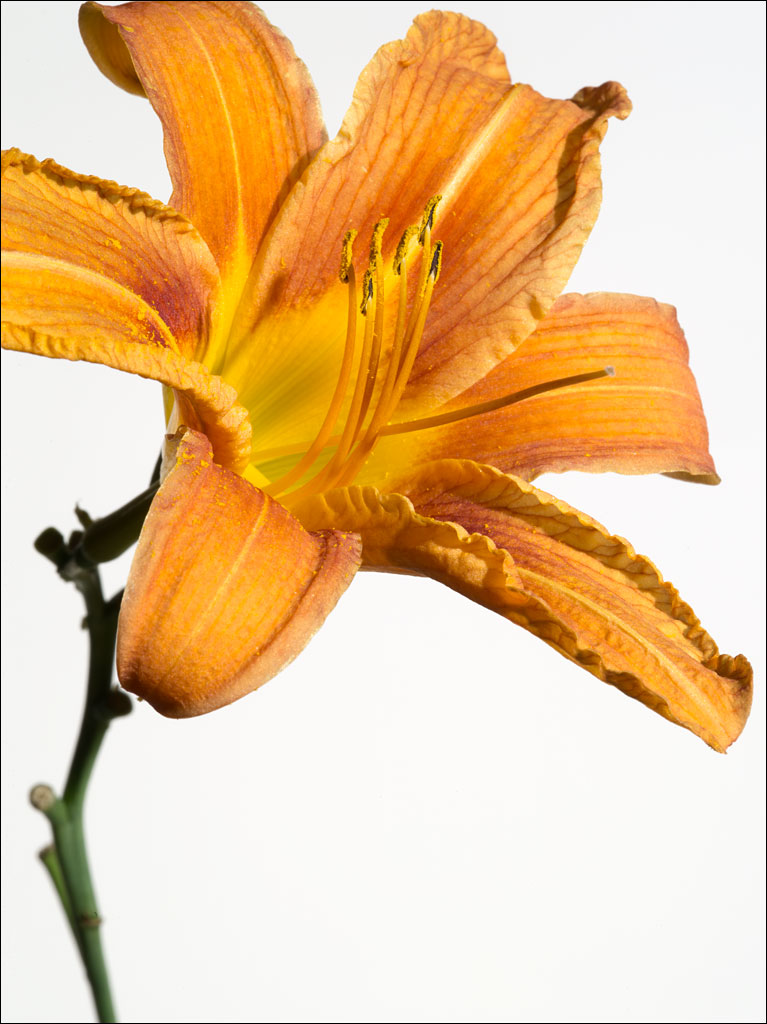
Daylily—Edible Plants

edible_weeds_day_lilyWhen we moved into our home, we were blessed by an abundance of daylilies. The daylily (hemerocallis fulva) is mostly known for being an ornamental plant, however, the tubers, young shoots, and flowers can all be eaten raw or cooked. The tubers are cooked like potatoes by boiling them for 15 minutes or so. We have been so taken with their beauty, we have yet to serve them for dinner.

CAUTION: there have been reports of nausea, vomiting, or diarrhea with consuming daylilies, particularly in large quantities. Cooking is thought to reduce the effects. Please research any plant you intend to consume. Click on the image for a larger view.
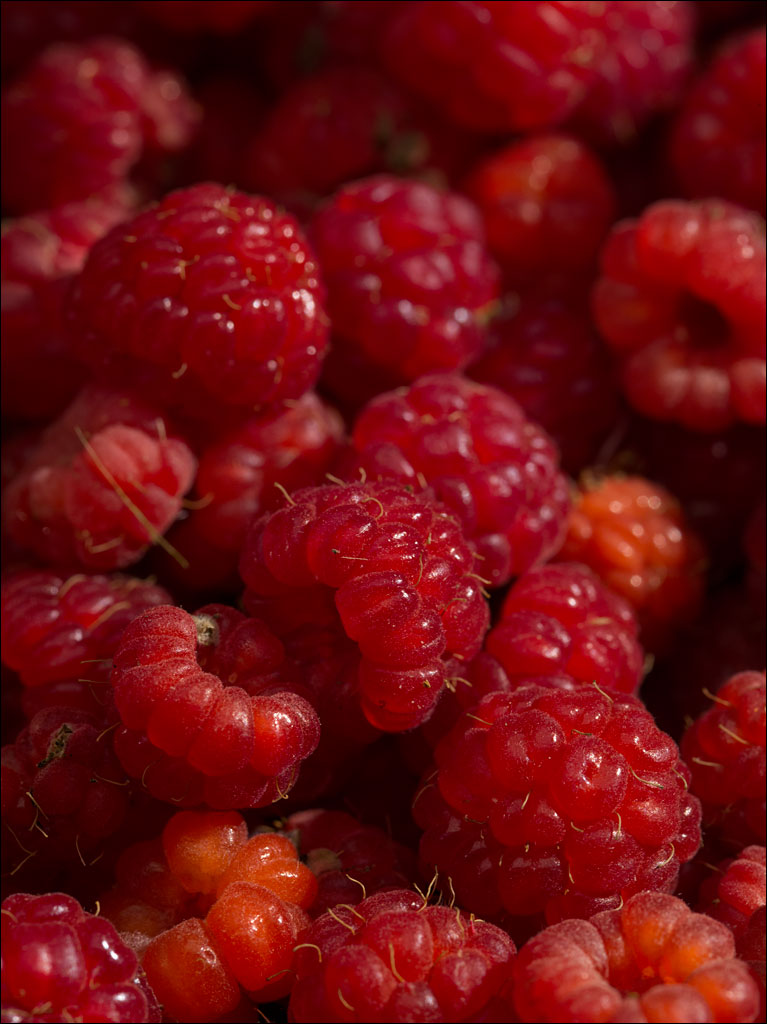
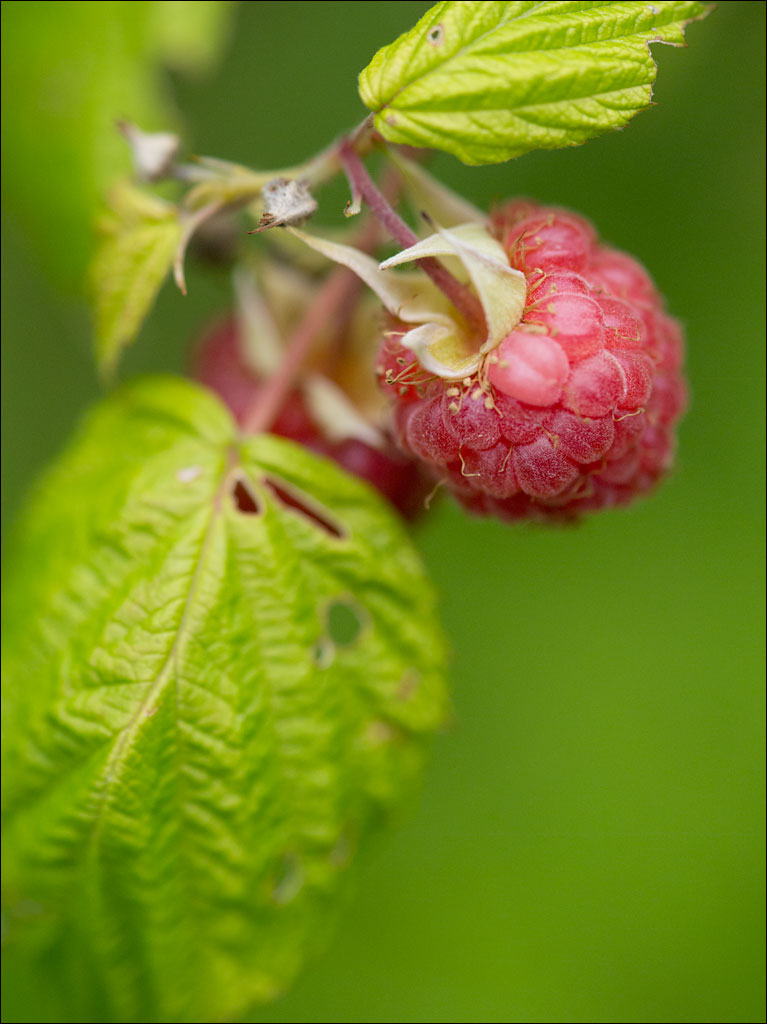
Blackberry Blossoms

edible_weeds_blackberry_blossomOur blackberry canes are in blossom. The white flowers can be quite striking against the monochromatic foliage of summer. These are probably our most productive plants and give us almost a year supply of fruit, from the fresh berries at the end of the summer to the pies and smoothies we make from frozen berries throughout the rest of the year. Click on the image for a larger view.
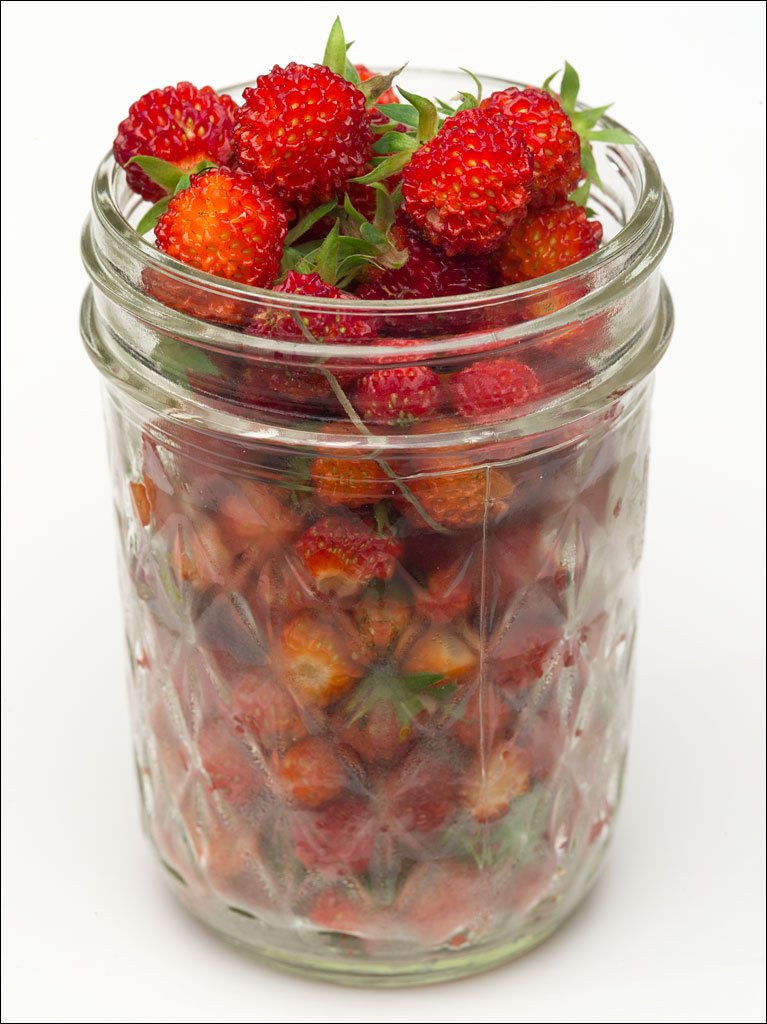
Wild Strawberries

edible_weeds_wild_strawberriesThe first fruit we can harvest every year is wild strawberry. Not a very larger fruit, about the size of the tip of your little finger. This plant is found throughout our garden, woods, and meadow. It is also a favorite of the chipmunks. Our Newfoundland dog Kai also loved these berries and would sit out with us as we gathered them. We only get a few handful of strawberries each year—they are time consuming to harvest in any quantities, but they are fun to snack on when we are in the garden. Click on the image for a larger view.

Dandelion Roots and Coffee

edible_weeds_dandelion_3The roots of the dandelion can be used in soup or stir fried with vegetables. We like to roast the root as a coffee substitute. Click on the image for a larger view.

For coffee, we harvest dandelions older than three years for the size of the roots. We do this in the spring as we can also use the leaves for cooking. You can also harvest the roots in the fall, but the leaves will be bitter.

  1. Wash the roots and chop them finely.
  2. Dry them in a oven at 250°F for two hours. Stir them occasionally to prevent burning.
  3. Finish roasting the roots at 350°F. You will need to check them frequently so they do not burn. (You can also roast them in a frying pan over low to medium heat as well.)
  4. Grind just before use. One and a half tablespoons of grounds are good for one cup of coffee. We usually simmer the ground root in water for ten minutes.

Dandelion Flowers

edible_weeds_dandelion_2The dandelion flowers have a myriad of uses. The entire head can be used in fritters, tempura, and soup. We add the petals to bread, muffins, vegetable burgers, smoothies, salads, and omelets. This year we are trying dandelion wine. We took some ideas from a variety of recipes and decided to try the following: Continue reading

Dandelion—Edible Weed

edible_weeds_dandelion_1Probably one of the most common plants around the world, the dandelion can be named by even the most botanically-challenged person. A perennial symbol of summer and childhood—cut a flower stalk and use the milky sap at the cut to tattoo your skin with small brown circles; or blow the seeds from a mature head and make a wish like you do with candles on a birthday cake.

While many gardeners spend a huge amount of time and effort in trying to eliminate this “weed,” we transplanted a few specimens to a section of our lawn when we arrived. Beyond its natural charm, the dandelion is actually versatile crop—the entire plant can be eaten. The leaves are an excellent source of vitamin A, vitamin C, potassium, and antioxidants, but are better harvested young before they become too bitter. We use leaves raw in salad, sauté them with other vegetables, or add them to a smoothies. Click on the images for a larger view.
edible_weeds_dandelion_4

The Violet Harvest

edible_weeds_wild_violet_headsWe have been out collecting violets from the garden. The flowers and leaves of the  Common Blue VioletViola sororia, are a good source of vitamin A and C and can be used fresh in salads or cooked. The flowers can also be dried for tea. We intend to make violet honey from these blossoms. To remove excess moisture, simply let the flowers wilt before adding them to the honey. Click on the image for a larger view.