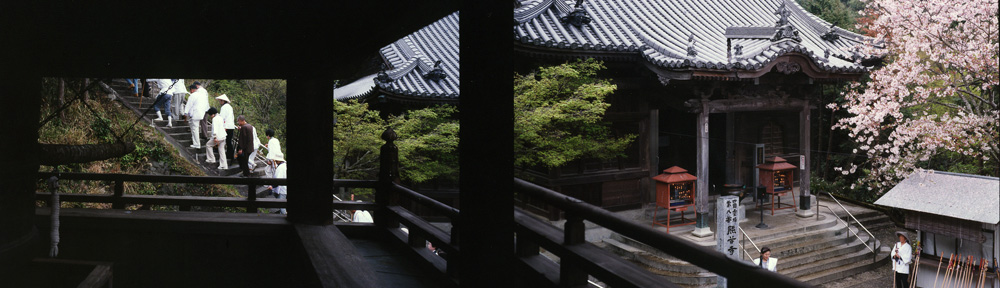
 This is a big fruit, but not quite as large as its red cousin, the brandwine. The tomato is not juicy, but has a soft flesh that melts in your mouth like firm tofu, only sweeter. A thick slice on handmade bread and covered with freshly ground black pepper makes an excellent sandwich. Click on the image for a larger view.
Category Archives: Edible Garden
Sweet Crab—Apples of Maine
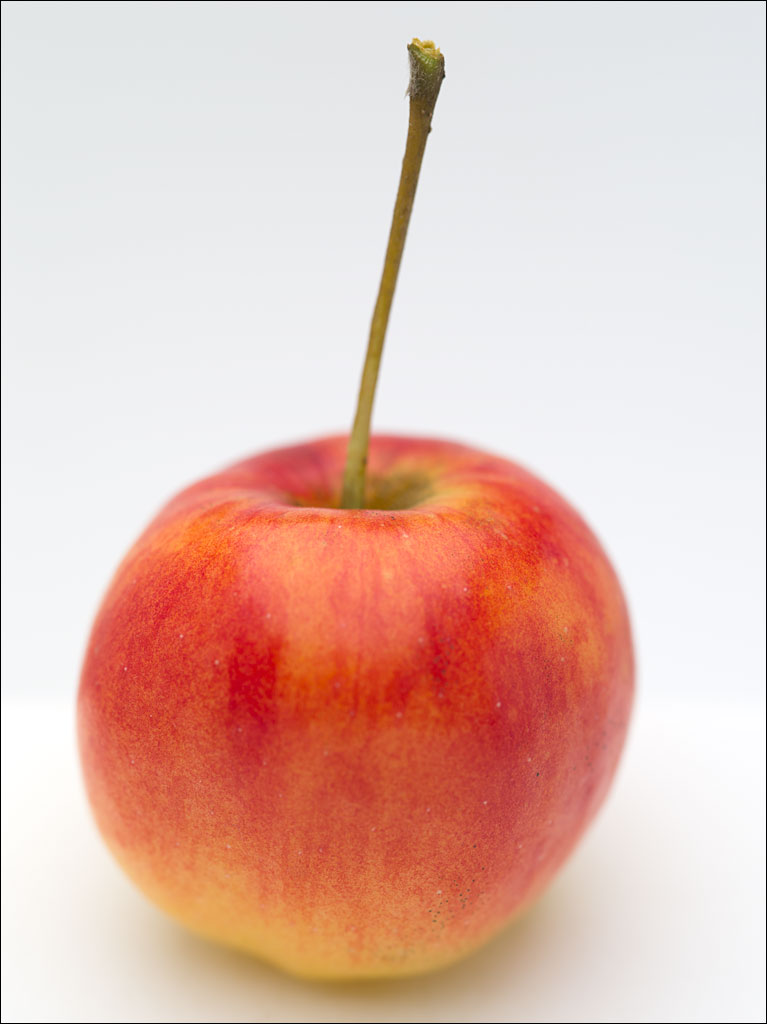 We should be clear, crab apples are not sweet, at least not in terms of regular apples. We planted this tree a couple of years ago and this is the first year for it to fruit. Crab apple trees are vigorous and grow rapidly compared with regular apple tree stocks.
The fruit are about the size of a golf ball, maybe a little smaller. The apple itself has firm, crunchy flesh and is tart—a granny smith is a sweet apple in comparison. But there is a secret to the sweet crab apple. If you wait for them to ripen to when the sugar concentrates at the center of the fruit, taking on a darker, slightly transparent texture, that is the time eat these. Yes, they are still tart, but they also possess a sweetness. Naturally, these apple are good for hard ciders and cooking. Click on the image for a larger view.
Black Cherry—Tomatoes
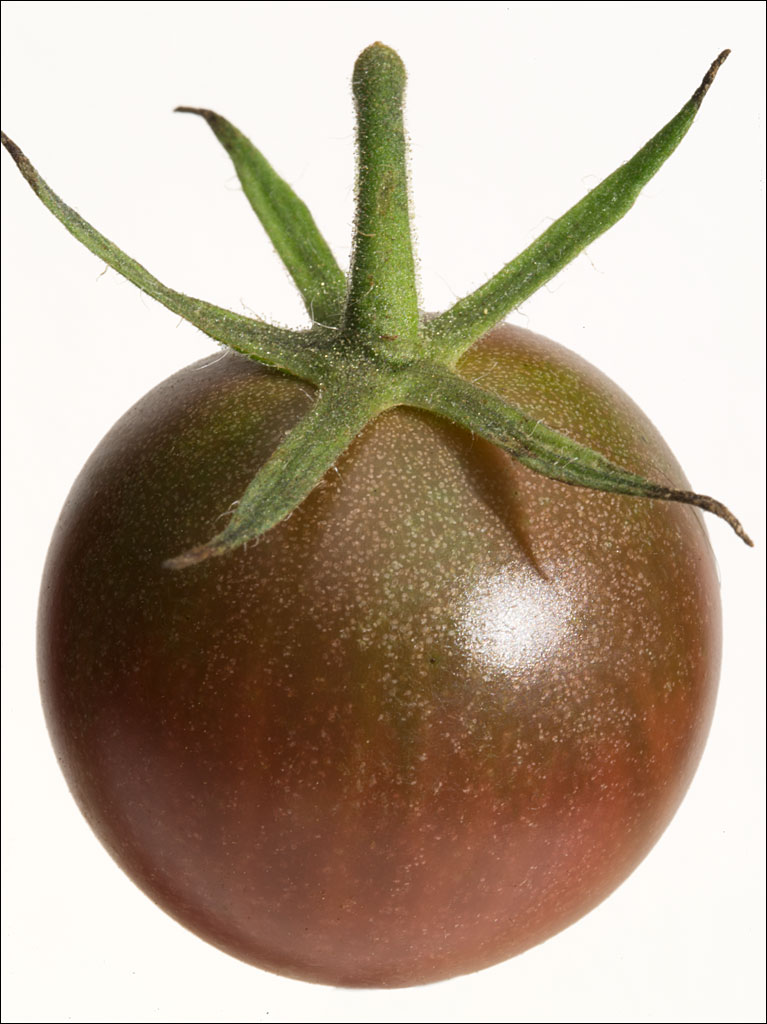 This cherry tomato is the perfect snacking fruit. The flavor is sweet and rich. They are great in salad, if you don’t eat them first. Click on the image for a larger view.
Green Zebra—Tomatoes
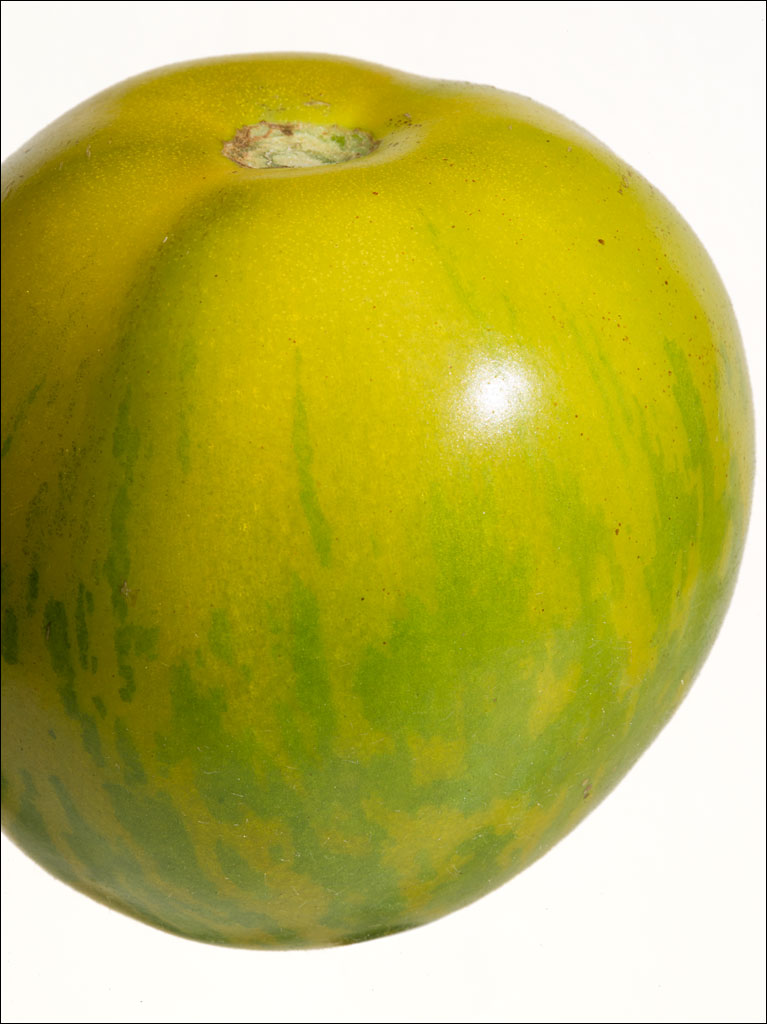 Every year we plant several varieties of tomatoes. This is a green zebra, which develops a slight yellow blush just as it ripens, but is predominantly green. The fruit has a tangy flavor, firm flesh, and juicy interior. It is great in salads. The plants are productive, but the tomato is on the small side, 3–4 oz. or 80–100 grams. Click on the image for a larger view.
Goldenrod Tea
 Goldenrod tea is said to have medicinal properties and to be good for colds. The tea is bitter and we usually mix it with chamomile and add a splash of honey. We simply throw goldenrod blossoms and leaves into a masion jar and pour in boiling water. We let it steep for 30 minutes to a day. If you love the bitterness of Japanese green tea, goldenrod can can be a great non-caffeine alternative. Click on the image for a larger view.
Grape Harvest
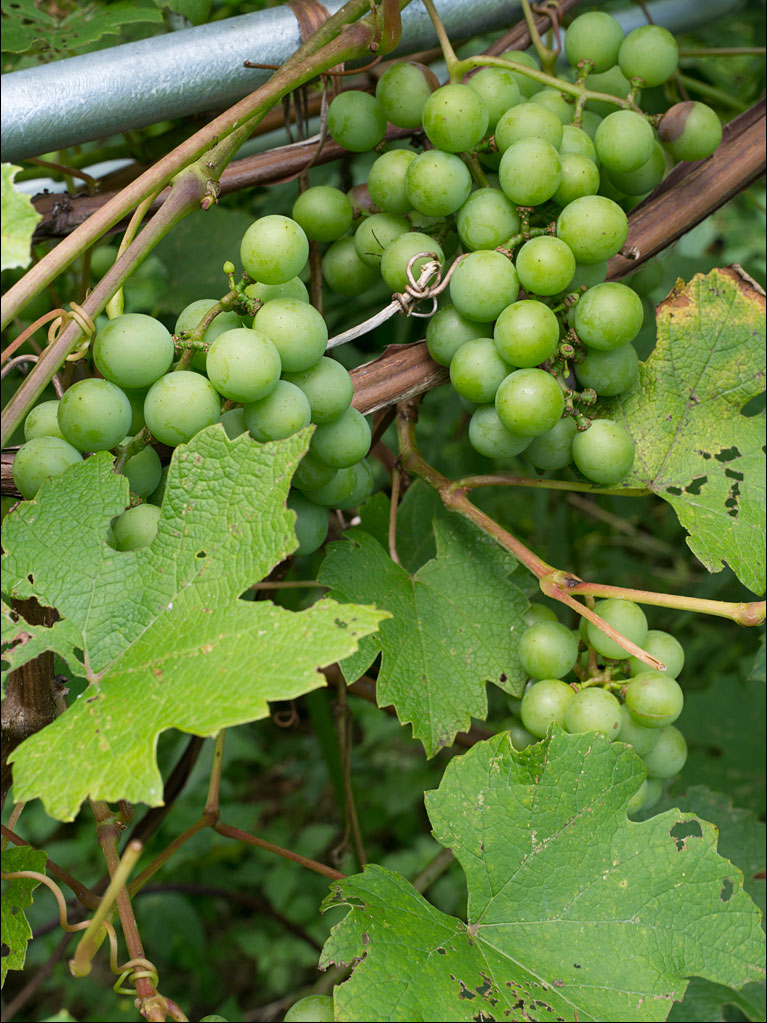 Maine has had a very cool summer, which combined with our short growing season, has left us in doubt about what our garden will produce this year. Surprisingly, our grape vine bore fruit. They still need to ripen, but we are hopeful for our first grape harvest. Click on the image for a larger view.
Wild Plum
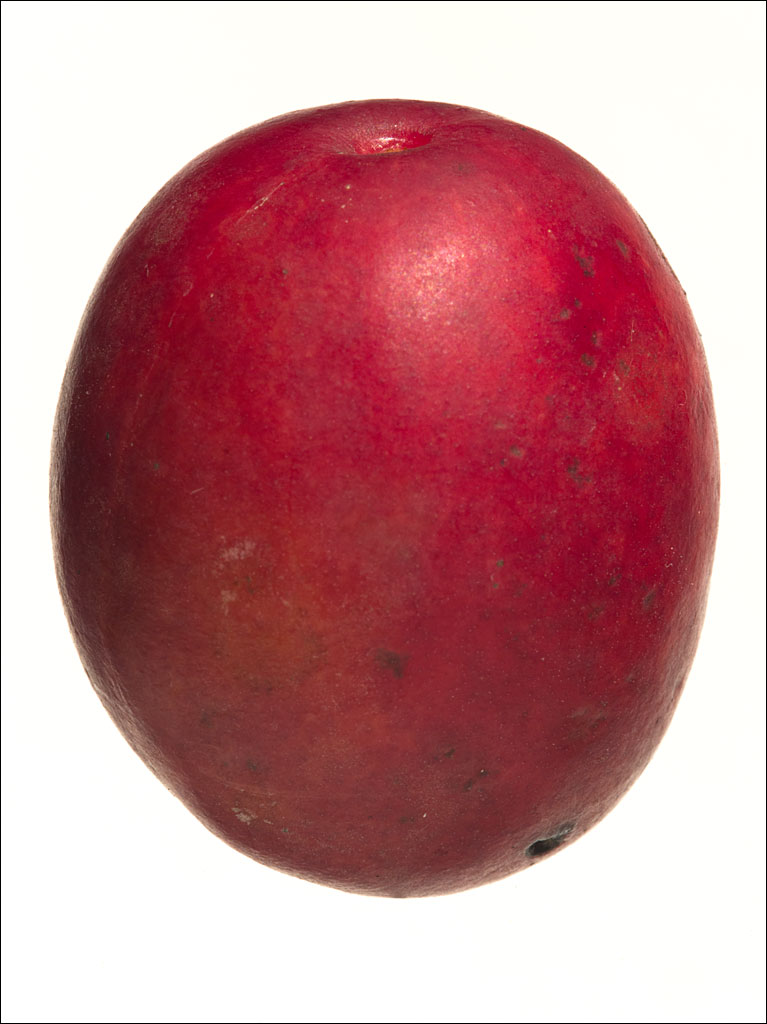 Each spring, our wild plum trees bloom in celebration of the arrival of the season. Usually, the insect population feasts on the fruit, leaving none for us. Yesterday, we found several of the plums that survived the summer. While not having the rich sweet flavor or the juiciness of the cultivated varieties, the plums are nonetheless a nice snack. They are small, about an inch or 2.5cm in length, and a little tart. Click on the image for a larger view.
Tomato Harvest
 Our tomato plants have not been doing well this summer as the weather has been unusually cool and the snails have been taking advantage of that. These heirloom varieties are ripening on our window sill. Hopefully, like last year, we will have a long summer to give our crop time to grow. Still, there are plenty of uses for green tomatoes as well. Click on the image for a larger view.
Yellow Dock—Edible Weeds
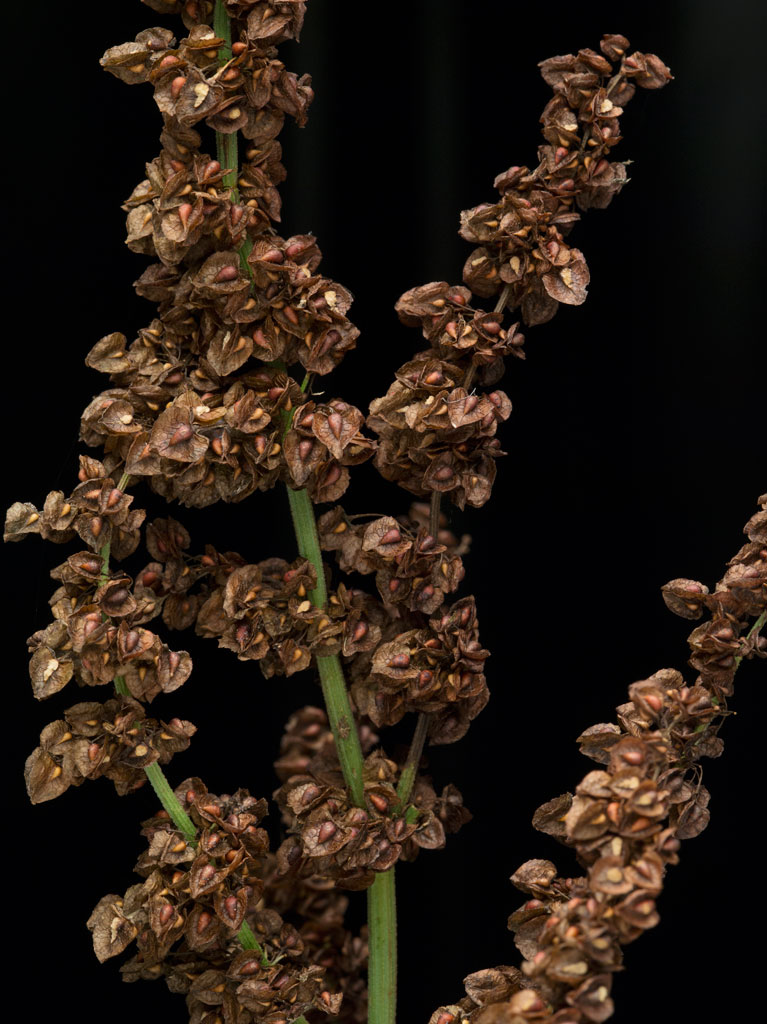 Yellow Dock or Curly Dock, Rumex crispus, is a common weed. We use the ground seeds in bread. Some use the seeds as a coffee substitute, although we use dandelion roots for that. Click on image for a larger view.
Red Currant Harvest
 Naomi and I made a wonderful discovery this week—we found two red currant trees in our forest. This is a great find and will add to our annual fruit harvest. If you like fruit with a tangy bite, these are great. These particular berries will most likely end up in out yoghurt for today’s breakfast. Click on the image for a larger view.
